Ants, wasps, mice, black widows, earwigs, boxelder bugs and crickets — the seven you'll actually meet in a Tri-Cities home, with the month each one arrives.
· 7 min read
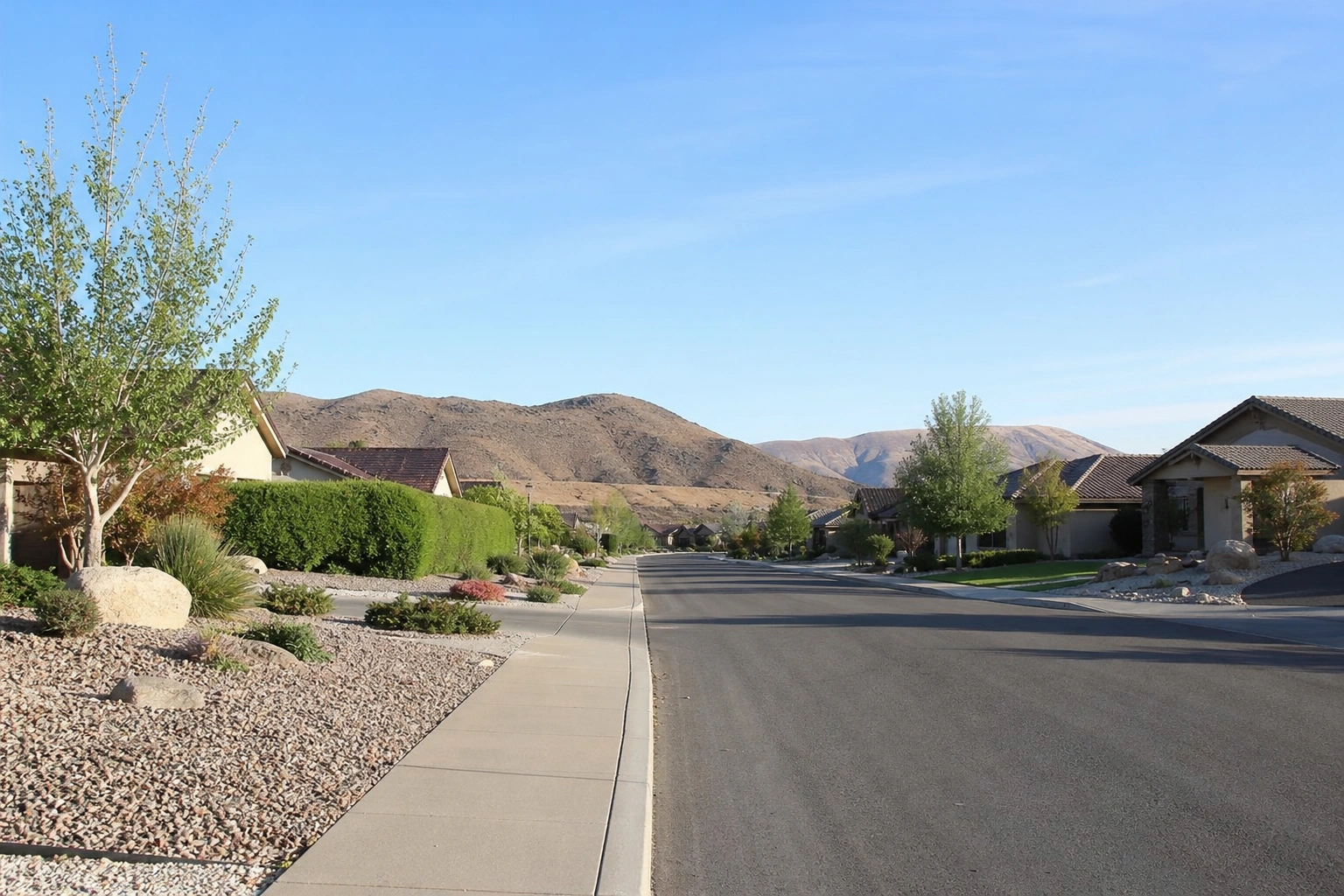
The common pests in Kennewick aren't the ones on national pest control websites. We're in a high desert at the confluence of three rivers, surrounded by irrigated farmland, and that combination produces a specific and fairly predictable line-up. Here are the seven you'll actually meet, and when.
The short answer
Seven of the common pests in Kennewick account for the overwhelming majority of calls across Kennewick, Pasco, Richland and West Richland: odorous house ants, yellowjackets and paper wasps, house and deer mice, black widow and giant house spiders, earwigs, boxelder and stink bugs, and field crickets. Each has its own month, and most arrive on a schedule you can plan around.
A calendar for the common pests in Kennewick
Pest
Peak months
Why then
Ants
May–August
Colony growth, then indoor water-seeking in the heat
Wasps
Mid-Aug–Sept
Max colony size and the switch to hunting sugar
Rodents
Sept–November
Harvest removes cover and food from the fields
Spiders
Aug–October
Mature males wandering to find mates
Earwigs
June–August
Irrigation and mulch; they follow moisture
Boxelder / stink bugs
Sept–October
Massing on warm south and west walls before winter
Crickets
Aug–September
Adults maturing in dry ground and moving to light and warmth
1. Odorous house ants
Our number one call. Small, dark, and they smell faintly sour when crushed. The local twist: in July and August they come indoors for water, not food, which is why immaculate homes get them under sinks, behind dishwashers and in bathrooms.
The critical mistake is spraying a visible trail. Repellent sprays cause colonies to bud into satellites, so one trail becomes several. Use bait, or a non-repellent product, and accept that it takes a week.
Not a July problem here — a late-August one. Colonies hit maximum size in late summer and simultaneously switch from hunting protein to hunting sugar, which is the moment they start bothering people at barbecues. Harvest season and backyard fruit trees make it worse across Richland and West Richland.
Paper wasps build open umbrella nests under eaves and are fairly docile. Yellowjackets nest hidden — underground, in rock landscaping voids, inside wall cavities — and those are the ones worth calling about rather than poking.
Rodent season here tracks the harvest, not the thermometer. From late September through November, fields come off across the Columbia Basin and a large rodent population loses cover and food within a couple of weeks. Homes on the agricultural edge — the Road 68 and Broadmoor corridors, newer streets along Badger Mountain South, anything backing onto a canal — see it first.
One genuinely important local note: eastern Washington has deer mice, which can carry hantavirus. Never sweep or vacuum droppings dry — wet them with disinfectant first. Full method: Rodent Control in Kennewick: 8 Simple Warning Signs.
4. Spiders — including black widows
Most spiders here are harmless and useful, and most "spider treatments" are less effective than a broom. De-webbing eaves and corners, vacuuming, and switching bright white porch lights to warm-toned bulbs does more than any spray, because you're removing the insects the spiders came for.
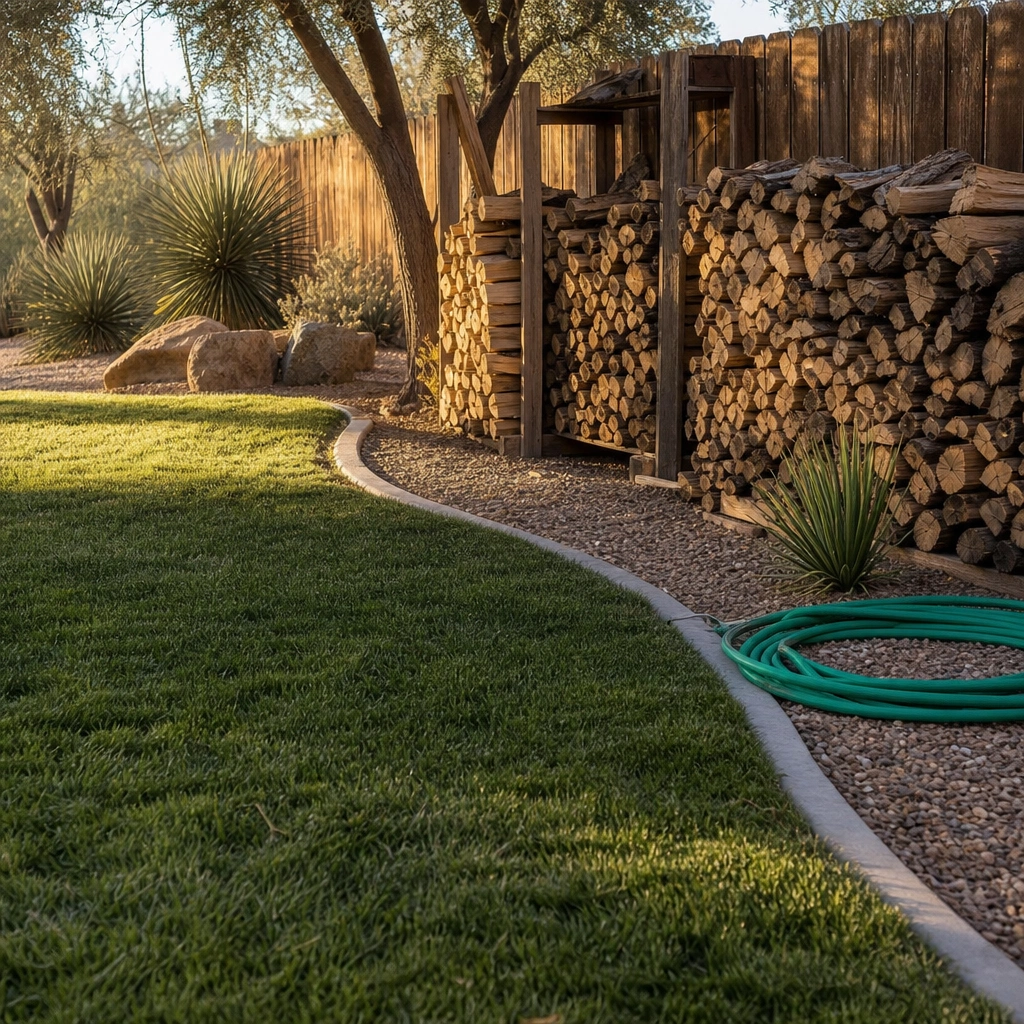
Black widows are the real exception and they are genuinely common across the Tri-Cities: in rock walls, stacked landscape block, meter and irrigation boxes, under patio furniture, and in garages. Glossy black, round-bodied, with a messy tangled web at ground level and often a red hourglass underneath. If you're finding them repeatedly somewhere your family uses, treat that properly.
5. Earwigs
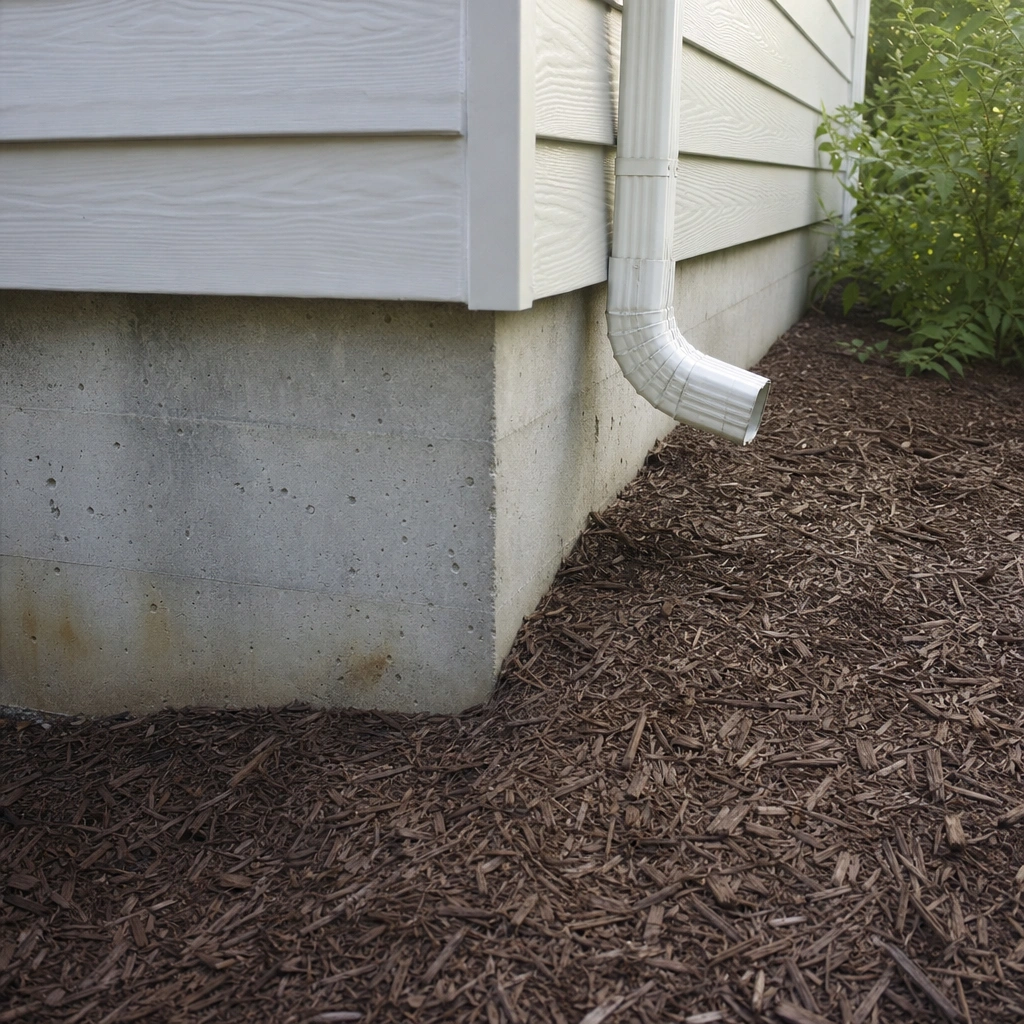
The pincered insects in the bathroom sink every June. They're a moisture pest, which makes them an irrigation pest here — they live in mulch, under landscape fabric, beneath river rock and in damp bark right against the foundation, then come in through the sill plate and door thresholds.
They don't harm anything and they don't infest a house, but they're deeply unpopular. The fix is almost entirely mechanical: pull mulch back from the foundation, water in the early morning so beds dry during the day, and fit door sweeps.
6. Boxelder bugs and stink bugs
Every September and October they appear in dozens on the south and west walls of homes, sunning themselves before overwintering. They don't bite, don't breed indoors, and don't damage anything — but they stain surfaces when squashed and stink bugs earn their name.
Spraying a wall covered in them is mostly theatre. What works is sealing before they arrive: window and door weatherstripping, screening attic and gable vents, and closing gaps around utility penetrations in August. Once they're inside a wall void, vacuuming is the honest answer.
7. Field crickets
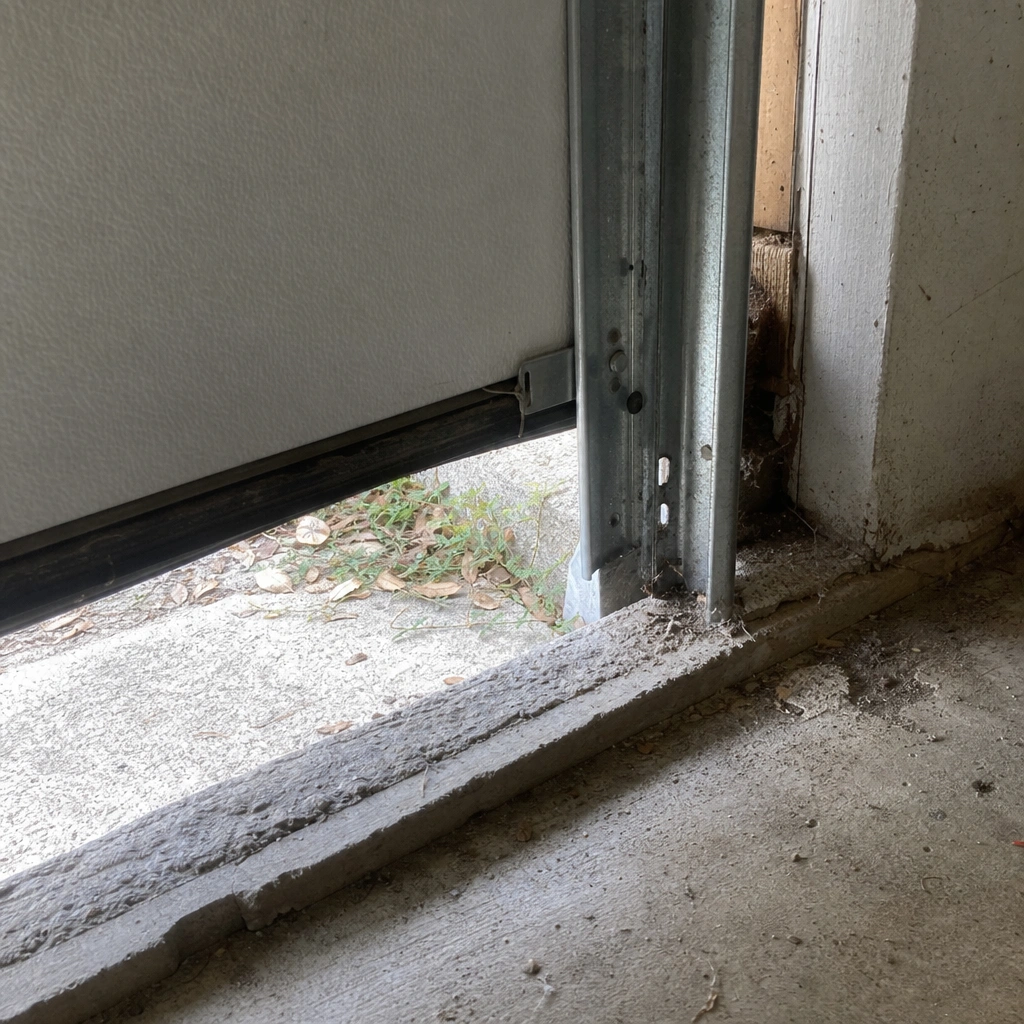
Late summer brings them out of dry ground toward warmth and light, into garages, window wells and under doors. In a dry year they can be dramatic, and the noise alone drives people to call.
They're a perimeter and lighting problem, not an indoor one. Exterior lights on the far side of the yard, sealed garage door seals, and a treated foundation perimeter handles it.
Why the common pests in Kennewick are this particular seven
Three local conditions explain nearly all of it.
Irrigation in a desert. Seven to eight inches of rain a year, and then we install sprinkler systems. Every lawn is an artificial oasis, and the edge where it meets dry native ground is usually your foundation. That edge concentrates ants, earwigs and crickets against the house.
Farmland on the doorstep. Suburban streets sit directly against orchards, vineyards and row crops. Harvest is effectively an eviction notice for a very large rodent population.
Two very different housing stocks. New construction on former farmland — Southridge, Badger Mountain South, Road 68, Broadmoor — inherits established pest populations and develops sill plate gaps as it settles. Older stock, including Richland's Hanford-era alphabet houses, brings crawl spaces, original wood trim and decades of small openings.
Six habits that help against every one of them
Turn sprinkler heads away from the siding and foundation.
Pull mulch and rock back so a few inches of foundation is visible.
Seal the garage door corners — the most common entry point in newer homes.
Trim shrubs and branches off the walls and roof line.
Screen attic, gable and crawl space vents.
Move exterior lighting away from doors, or switch to warm-toned bulbs.
None of that costs anything meaningful, and against the common pests in Kennewick it outperforms most products you can buy. If you'd rather it was handled on a schedule, the Home Pest Protection Plan covers all seven of these — $149 for the first visit, then $59–109 a month by home size, with free re-service between visits.
Not in the main seven, but they come up often enough across Kennewick, Pasco and Richland to be worth recognising.
Cockroaches. Far less common here than in humid climates, and when they do appear it's usually German cockroaches carried in on a box, a used appliance or from a neighbouring unit in an apartment. They breed indoors and don't resolve on their own — this one is worth acting on immediately rather than watching.
Silverfish. Moisture-driven and harmless. They turn up in bathrooms, around water heaters and in stored cardboard in crawl spaces. Fixing the humidity source almost always fixes them.
Carpenter ants. Much bigger than our usual odorous house ants, and a different category of problem — they excavate wood rather than eat it. The tell is coarse sawdust-like shavings near trim, decking or a window frame. Anything suggesting carpenter ants is worth an inspection, because they're a structural issue rather than a nuisance one.
Two things we do not have much of, despite what national sites imply: subterranean termites are uncommon in this part of Washington compared with the South and Southwest, and bed bugs, while they certainly exist here, are a travel and second-hand furniture problem rather than a regional climate one.
Where to check things yourself
For identification and non-commercial treatment guidance specific to our growing region, Washington State University's Hortsense is the best free resource available and it isn't trying to sell you anything. For anything involving pesticide safety around children, pets or food, the EPA's Citizen's Guide to Pest Control and Pesticide Safety is worth reading before you buy a product off a shelf.
Frequently asked questions
What is the most common pest in Kennewick?
Odorous house ants, by a wide margin, peaking May through August. In midsummer they're usually indoors looking for water rather than food, which is why clean homes get them too.
Are black widows common in the Tri-Cities?
Yes. They're established throughout the area in rock walls, landscape block, meter boxes, garages and under outdoor furniture. Bites are rare because they're not aggressive, but they're worth treating where children play.
What month do mice get into houses here?
Late September through November, following harvest rather than cold weather. Homes near fields, canals or undeveloped land see the first wave.
Do I need pest control year-round in a desert climate?
The pests change by season rather than stopping — ants in summer, wasps in late summer, rodents and overwintering bugs in autumn. Quarterly service targets whatever's active at that point in the year.
What attracts pests to Tri-Cities homes specifically?
Irrigation, mostly. In a landscape this dry, a watered lawn and damp foundation bed are the wettest thing for a long way, and that's what concentrates insects at your walls.
Are these pests dangerous?
Mostly no. The exceptions worth respecting: black widows, yellowjacket stings if anyone is allergic, and deer mice, which can carry hantavirus — never sweep or vacuum their droppings dry.
Every company says they're licensed, thorough and guaranteed. Here are the nine questions that actually tell them apart — and the three answers that should end the call.
A failed health inspection costs more than a year of service. What commercial pest work covers by property type, how often it's needed, and what the documentation is really for.
September is the deadline, not the starting gun. Here's the checklist that keeps the autumn rodent wave outside, and the two jobs worth handing to a professional.