Commercial Pest Control in the Tri-Cities: A Practical Guide
A failed health inspection costs more than a year of service. What commercial pest work covers by property type, how often it's needed, and what the documentation is really for.
· 7 min read
For a business, a pest problem isn't an annoyance — it's a health inspection, a bad review with a photograph attached, a rejected shipment, or a tenant who stops paying rent. Commercial pest control in the Tri-Cities is a different service from residential work: more inspection, more documentation, more exclusion, and a schedule built around your operation rather than a generic quarterly route.
The short answer
Commercial service means a scheduled program rather than a treatment: an initial full-property inspection, exterior rodent stations and perimeter work, interior monitoring where it matters, service documentation you can hand an inspector, and a frequency set by the risk of your property type — monthly for food service, quarterly for a low-risk office. Pricing is per property, based on square footage, the length of the exterior perimeter, the number of doors and docks, and the frequency you need.
Why commercial pest control in the Tri-Cities is a different job
Three things change once it's a business rather than a house.
The stakes are regulatory, not just uncomfortable. Food establishments in Benton and Franklin counties are inspected by the Benton-Franklin Health District, and evidence of pests is among the violations that shut a kitchen down fastest. One closure costs more than several years of service.
The building works against you all day. A house has its doors shut. A restaurant props the back door open during a dinner rush, a warehouse holds a dock door up for two hours, a retail entrance opens six hundred times a day. Exclusion has to be designed around how the building is actually used, not how it looks on a floor plan.
Somebody will eventually ask for records. Health inspectors, auditors, insurers, franchisors and corporate landlords all want to see a service history — what was found, what was done, when, by whom, and what you were asked to fix. That paperwork is half the product.
What commercial pest control in the Tri-Cities covers, by property type
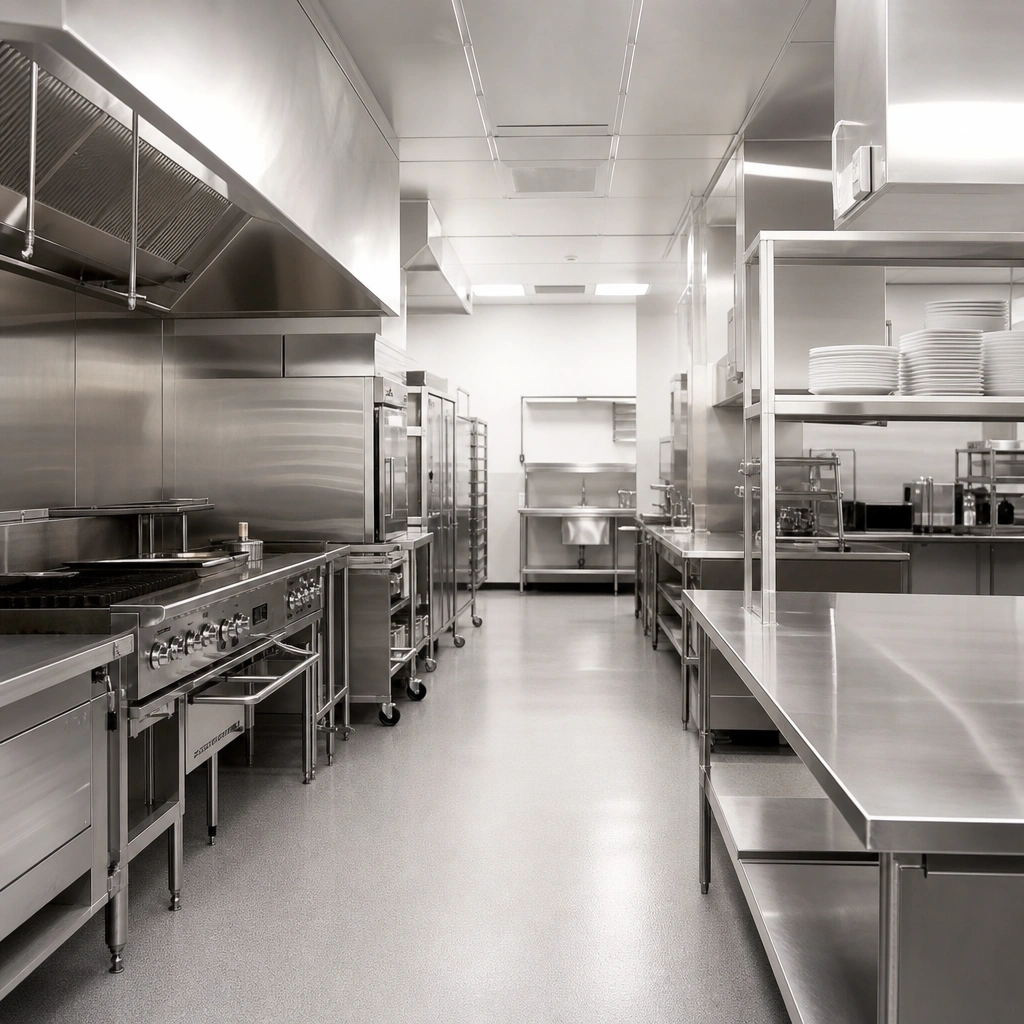
Restaurants, bars, cafés and food service
The highest-stakes category and the most work. Focus areas: German cockroaches (the single most common commercial failure, and a different animal from anything in a home), small flies at drains and mop sinks, rodents at the back door and dumpster line, and ants in prep areas.
The service leans on inspection and monitoring: sticky monitors placed in equipment voids to catch a problem while it's still three roaches rather than three hundred, drain treatment for the organic film that breeds small flies, targeted gel bait in cracks and voids rather than open spraying, and hard exclusion at the delivery door. Monthly is the realistic minimum here, and many kitchens do better on a tighter cycle at the start.
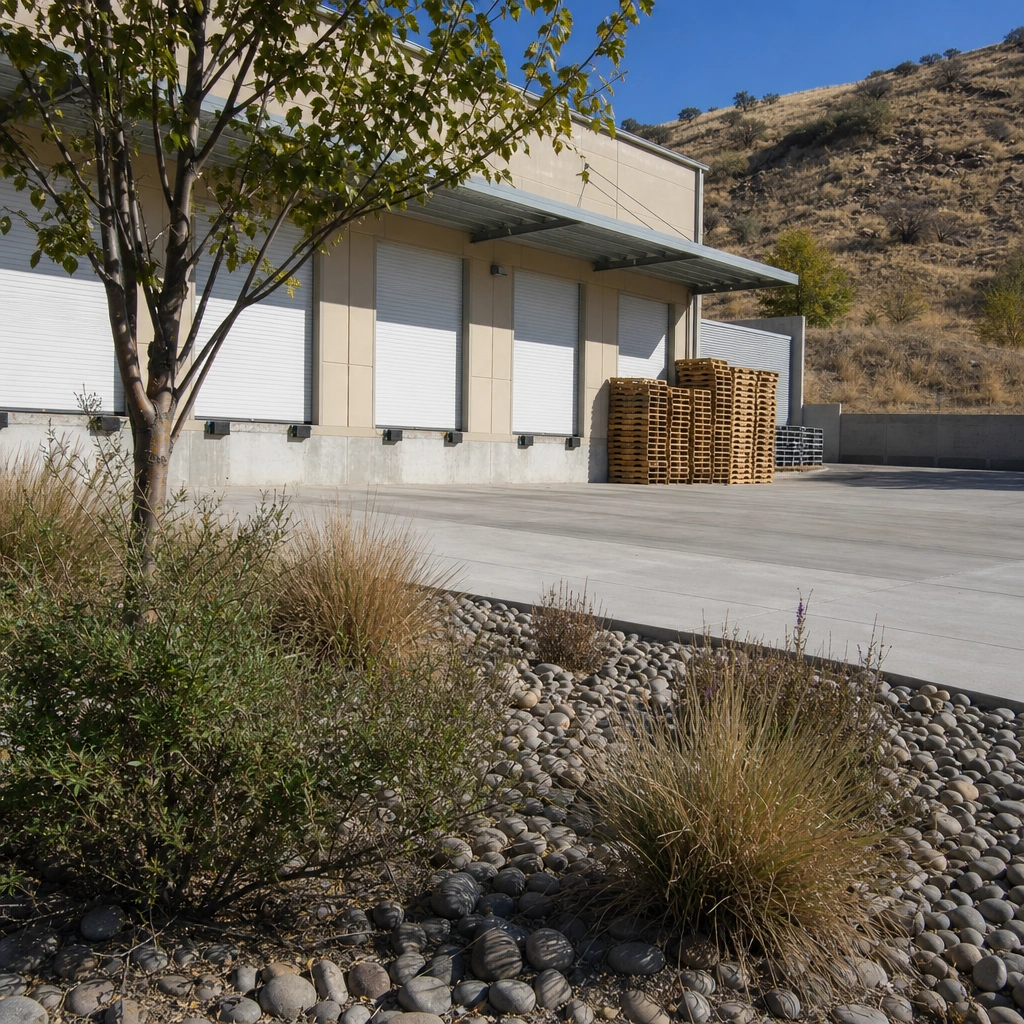
Warehouses, distribution and agricultural processing
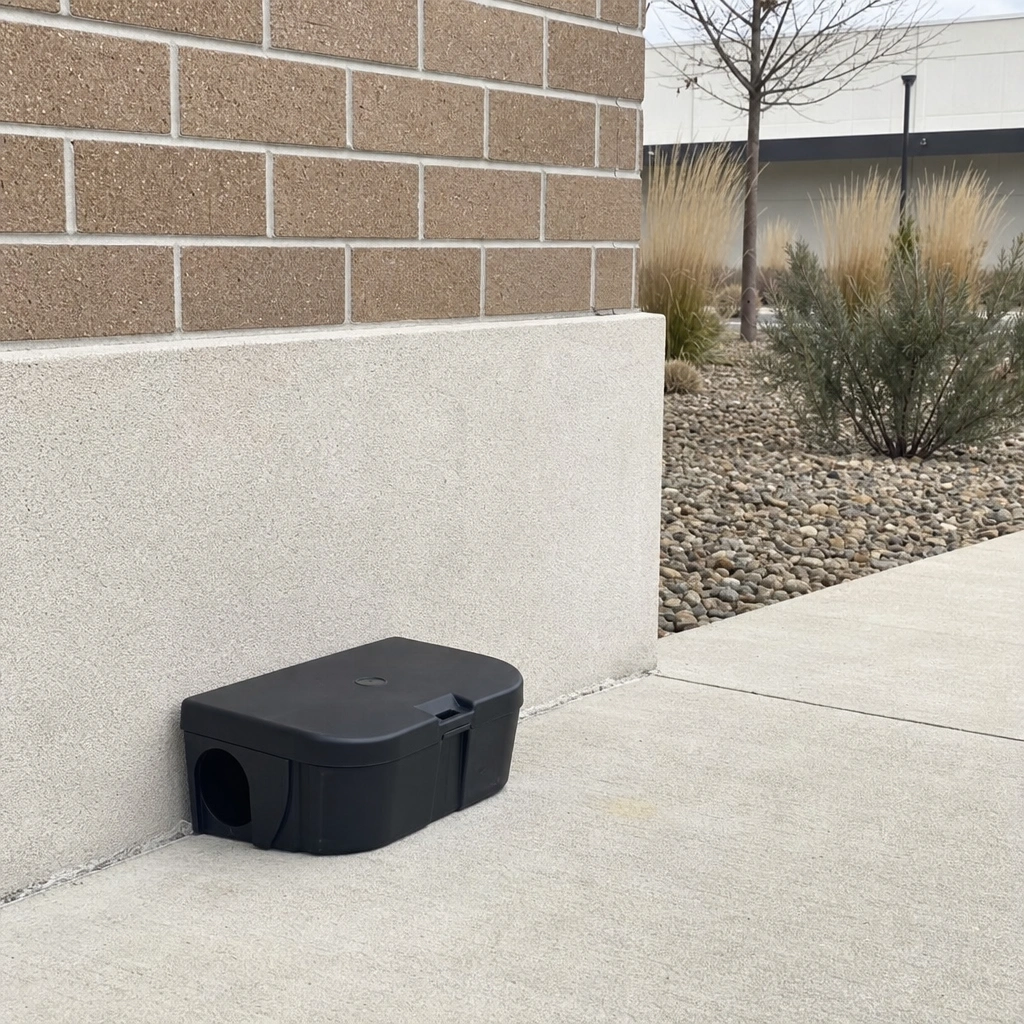
The Tri-Cities has a lot of this, and the pressure profile is specific: enormous perimeters, dock doors that stand open, pallets arriving from elsewhere carrying their own passengers, and — the big regional factor — surrounding farmland that dumps rodents toward structures every autumn at harvest.
Work centres on an exterior rodent station line at measured intervals around the building, dock door seal and sweep condition, interior perimeter treatment along the racking line, and stored-product pest monitoring where food or feed is held. Inbound inspection at receiving is worth building into your own routine — most warehouse infestations arrive on a pallet rather than walking in.
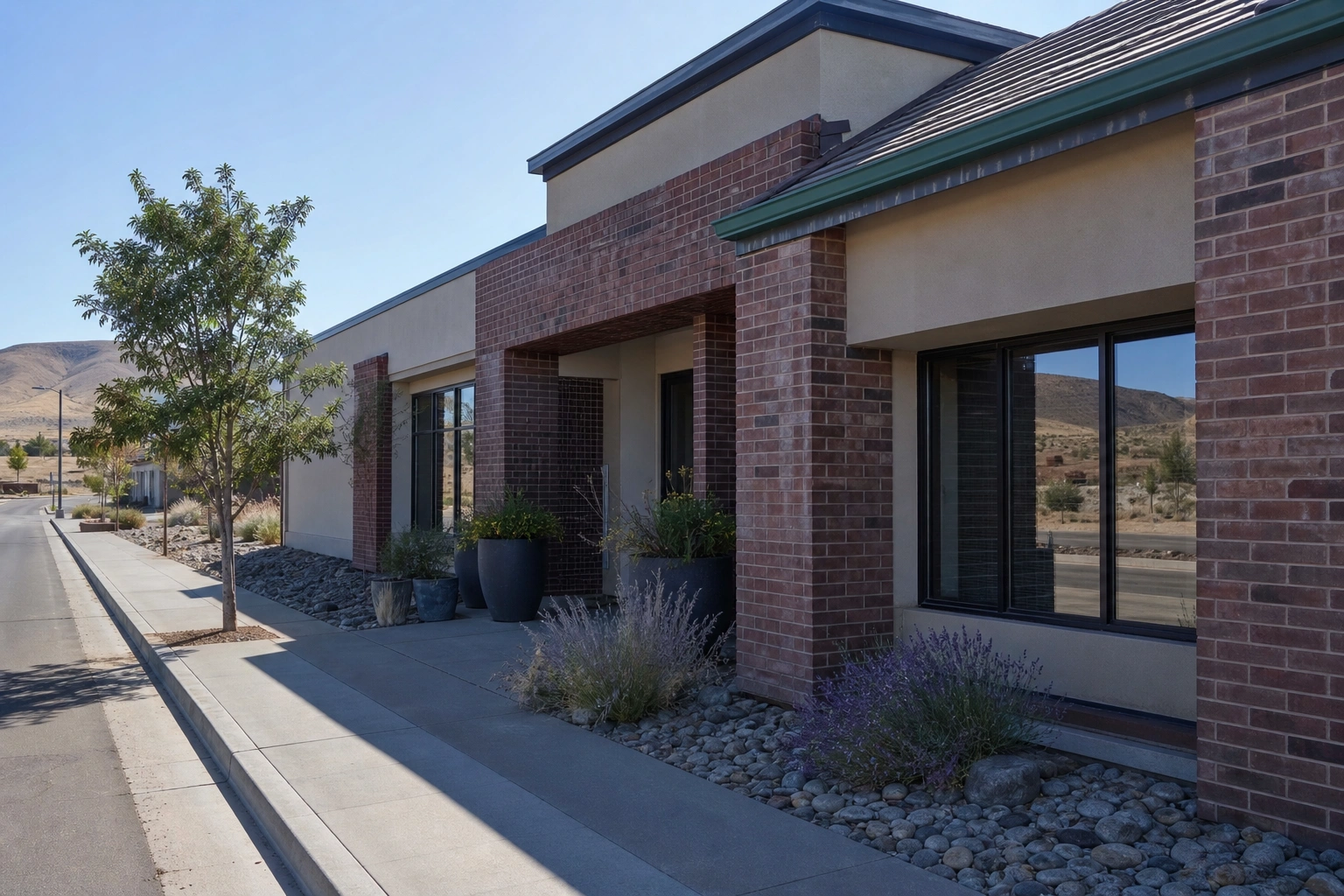
Offices, clinics, salons and retail
Lower risk and lower cost, but reputation-sensitive: one spider dropping onto a client in a waiting room does damage no treatment fixes. Typically an exterior perimeter, entry-point work at customer doors, break-room and kitchenette attention (the actual source of nearly every office ant call), and de-webbing at the front of house. Quarterly usually suffices; bi-monthly if there's a food element or heavy foot traffic.
Rentals, multi-family and property management
The special problem here is that pests don't respect unit boundaries — treating one apartment while the neighbouring unit is untreated is money spent for no result. Programs are built around common areas, exterior perimeter and rodent line, plus a clear process for unit-level calls, turnover inspections between tenants, and documentation for each address. Landlords in Washington carry habitability obligations, so the record of what was done and when protects you as much as the treatment does.
Schools, daycares and churches
Heavily weighted toward low-impact methods, scheduling around occupancy, and thorough documentation. Kitchens, storage, playground perimeters and the exterior barrier are the focus, with treatments timed to evenings, weekends or breaks so nothing happens with children present.
How often, honestly
Frequency should follow risk rather than a sales script:
Monthly — food service, food processing, anywhere with an active or recent roach or rodent issue, multi-family common areas.
Bi-monthly — warehouses, retail with food, clinics, higher-traffic buildings.
Quarterly — offices, professional services, low-risk light industrial.
Nearly every program should also tighten temporarily in early autumn. Between late September and November, harvest across the Columbia Basin moves an enormous rodent population toward structures, and commercial buildings on the agricultural edge take the brunt of it. Getting stations and door seals right in August is worth more than any amount of work in November — the same timing logic as Pest-Proof Your Kennewick Home: 9 Simple Fall Fixes.
What the documentation is actually for
A proper commercial program leaves you with a file, kept on site, containing the service history and findings, a site map showing every station and monitor by number, product labels and safety data sheets for anything applied, the applicator's Washington licence through the Washington State Department of Agriculture, and a corrective-action list — the things only you can fix.
That last item is the one businesses underuse. When a report says the dock door sweep has failed, the dumpster lid won't close, or there's standing water behind the ice machine, that's not a complaint — it's the part of the problem no chemistry can solve. Programs that fail almost always fail there.
What it costs
Commercial pricing is genuinely per property, which is why nobody publishes a price list. What it's based on:
Square footage, and the length of the exterior perimeter
Property type and regulatory exposure
Service frequency
Number of exterior doors, dock doors and rodent stations required
Interior monitoring density
Current condition — an active infestation needs an initial clean-out phase before a maintenance cycle makes sense
As a rough shape: a small office or salon isn't far off residential pricing, a restaurant on monthly service is a meaningfully larger number, and a warehouse with a long perimeter and a full station line is larger again. Any company should walk your property and give you a written scope and a fixed monthly figure — not a number over the phone.
Five questions before you sign anything
Will you inspect the whole property before quoting? Commercial work quoted off square footage alone is a route stop, not a program.
What documentation do I get, and is it inspection-ready? Ask to see a sample report.
What happens between visits if we have a problem? Response time matters far more commercially than residentially. Free callbacks between scheduled services should be standard.
Can you work around our hours? Nobody should be treating a kitchen during service.
Who's the technician, and is it the same person each time? Continuity is worth real money in a complex building.
We serve commercial properties across Kennewick, Pasco, Richland and West Richland, and commercial quotes are custom by design — we walk the building, write a scope, and give you a fixed monthly price with the frequency that fits your risk, not a package. Call (509) 222-9828 or request a quote and we'll come look at it.
How much does commercial pest control cost in the Tri-Cities?
It's quoted per property, based on square footage, perimeter length, property type, frequency, and how many doors and stations are involved. A small office is close to residential pricing; a restaurant on monthly service or a warehouse with a full station line is substantially more. Expect a walkthrough before any real number.
How often does a business need pest control?
Monthly for food service and anywhere with an active problem, bi-monthly for warehouses and higher-traffic retail, quarterly for offices and low-risk buildings. Most programs should tighten in early autumn when harvest pushes rodents toward structures.
Do restaurants have to have a pest control program?
Food establishments are inspected by the Benton-Franklin Health District, and evidence of pests is among the fastest routes to a violation or closure. A documented program is the practical way to demonstrate control, and most food businesses treat it as mandatory in effect.
Can you service us outside business hours?
Yes — commercial scheduling is built around your operation. Early morning, evening and weekend service is normal for food service and retail, and nothing should be applied while you're serving customers.
What documentation should I receive?
Service history and findings, a site map with numbered stations and monitors, product labels and safety data sheets, the applicator's Washington licence, and a corrective-action list of the structural and sanitation items on your side. All of it should be inspection-ready and kept on site.
What if we already have an active infestation?
That's handled as a clean-out phase first — more frequent visits and intensive work until the population is down — and then it steps down to a maintenance cycle. Starting an ongoing program at maintenance frequency while an infestation is active rarely works.
Every company says they're licensed, thorough and guaranteed. Here are the nine questions that actually tell them apart — and the three answers that should end the call.
September is the deadline, not the starting gun. Here's the checklist that keeps the autumn rodent wave outside, and the two jobs worth handing to a professional.
Seven inches of rain a year and still ants in the kitchen. The answer is irrigation, farmland, alkaline soil and two very different housing stocks — none of which a national pest site can tell you.