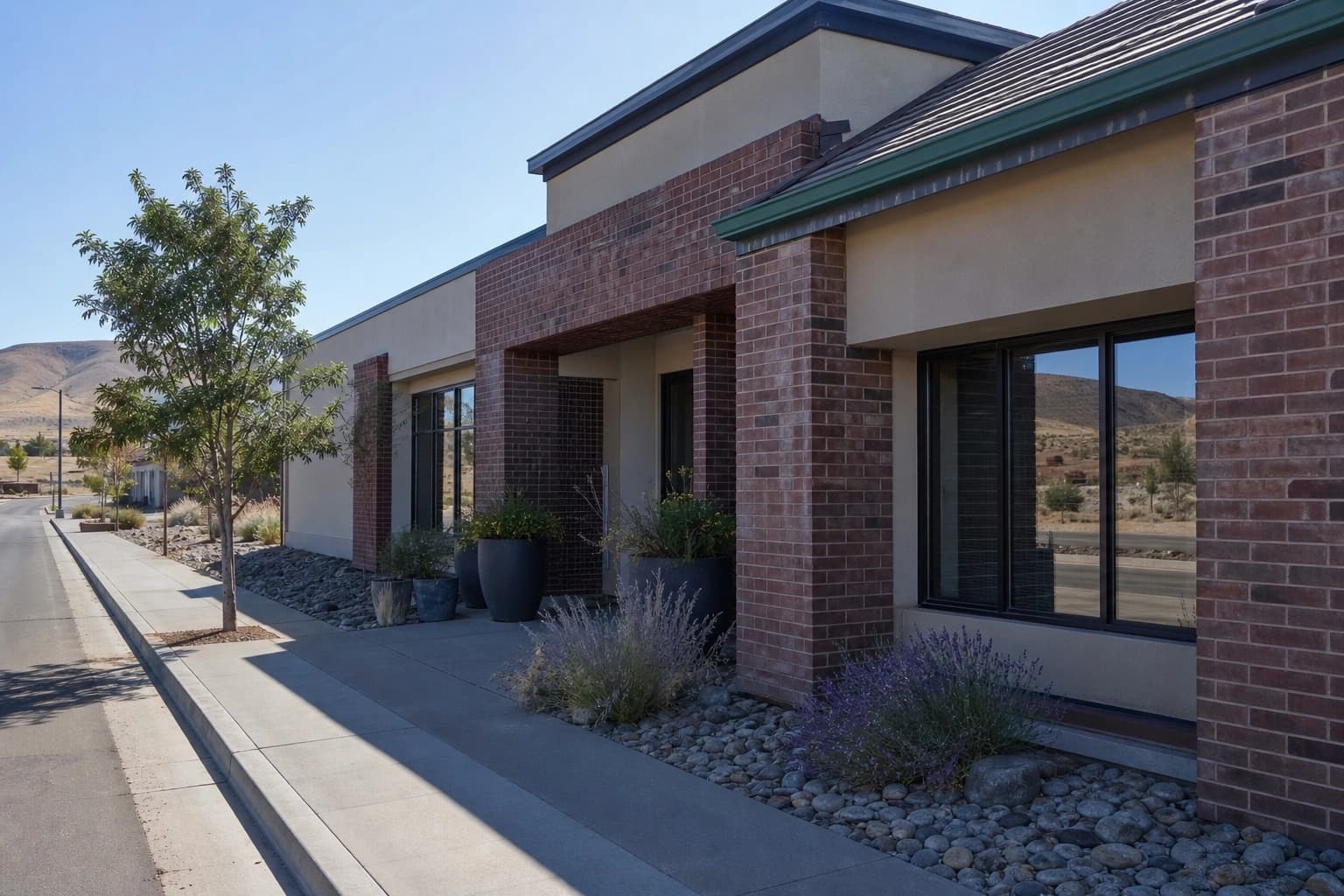
Pest-Proof Your Kennewick Home: 9 Simple Fall Fixes
September is the deadline, not the starting gun. Here's the checklist that keeps the autumn rodent wave outside, and the two jobs worth handing to a professional.
· 7 min read
If you're going to pest-proof your Kennewick home, the calendar matters more than the effort. Around here the autumn wave isn't driven by cold — it's driven by harvest, and it arrives on a schedule you can plan for. Do this work in late August and early September and you mostly skip the problem. Do it in November and you're evicting tenants instead of locking the door.
The short answer
Seal the garage door corners, screen the vents, close utility penetrations with copper mesh, pull mulch off the foundation, and get the exterior perimeter treated before late September. From late September through November, fields come off across the Columbia Basin and a very large rodent population loses its cover and food within a couple of weeks — and heads for the nearest structure.
Why fall is different in the Tri-Cities
National advice says pests come inside because it gets cold. Here, they come inside because their world disappears. Alfalfa, corn and potato ground is harvested, canal laterals go dry for the season, and hundreds of acres of shelter vanish at once. Homes on the agricultural edge — the Road 68 and Broadmoor corridors in Pasco, newer streets along Badger Mountain South, anything backing onto a canal, orchard or undeveloped block — take the first and heaviest wave.
At the same time, boxelder bugs and stink bugs start massing on warm south and west walls looking for somewhere to overwinter, and yellowjacket colonies hit their most aggressive stretch. It's the busiest four weeks of the year for a reason.
The nine fixes that pest-proof your Kennewick home
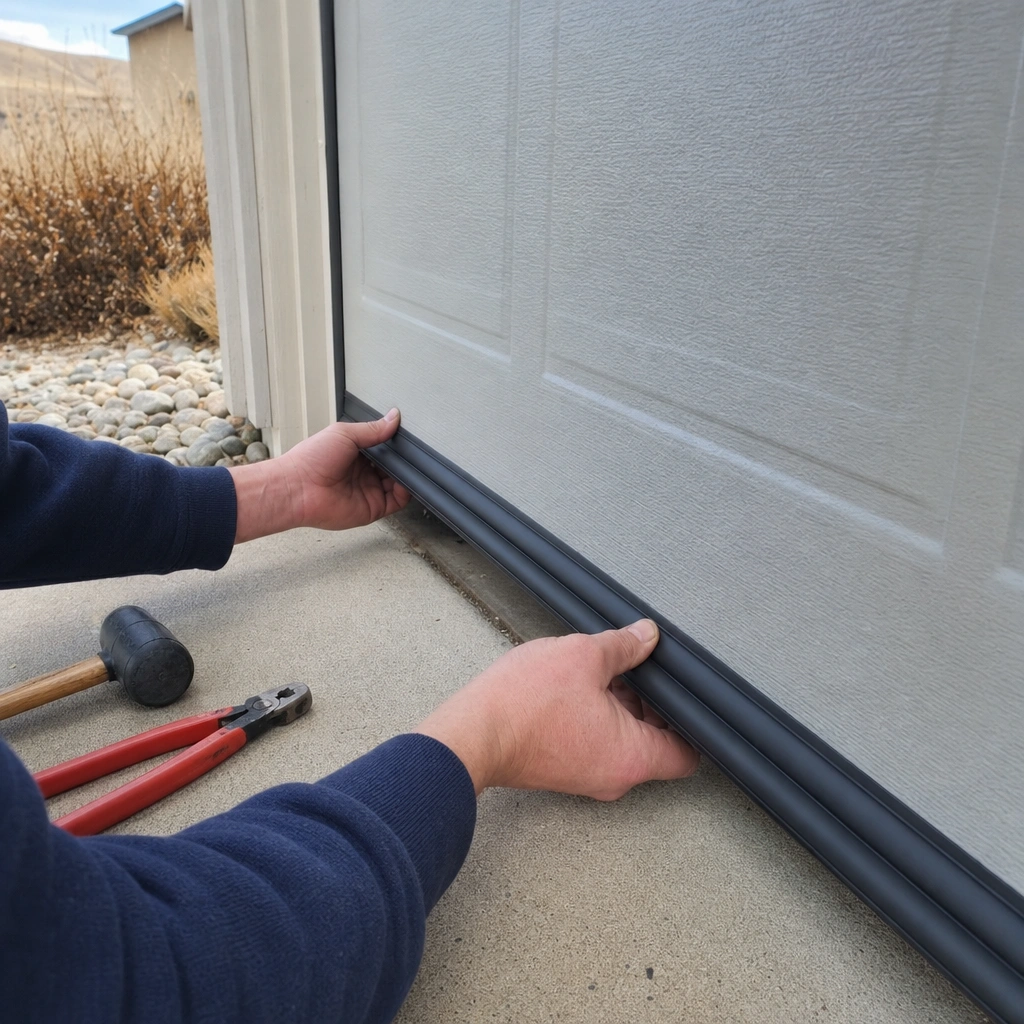
1. Replace the garage door bottom seal
The single most common rodent entry point in newer Tri-Cities homes. The rubber seal compresses over time and stops meeting the concrete at the corners — and a mouse needs a gap the width of a pencil. Look from inside with the door shut and the light off; if you see daylight at either corner, that's your problem. A replacement seal is about $30 at any hardware store.
2. Stuff every utility penetration with copper mesh
Where the water line, gas line, A/C line set, electrical conduit and dryer vent pass through the wall. Pack copper mesh or stainless wool into the gap, then seal over it. Use mesh rather than expanding foam on its own — rodents tunnel through foam without much trouble.
3. Screen foundation, crawl space and gable vents
Quarter-inch galvanised hardware cloth. Plastic screening gets chewed straight through. This is especially worth checking on Richland's Hanford-era alphabet houses and older central Kennewick homes, where original vent screens are often long gone.
4. Pull mulch and rock back from the foundation
Leave a few inches of visible foundation all the way around. Damp bark piled against the wall is an earwig, cricket and ant nursery, and it hides the very gaps you're trying to find.
5. Fix what your sprinklers are doing
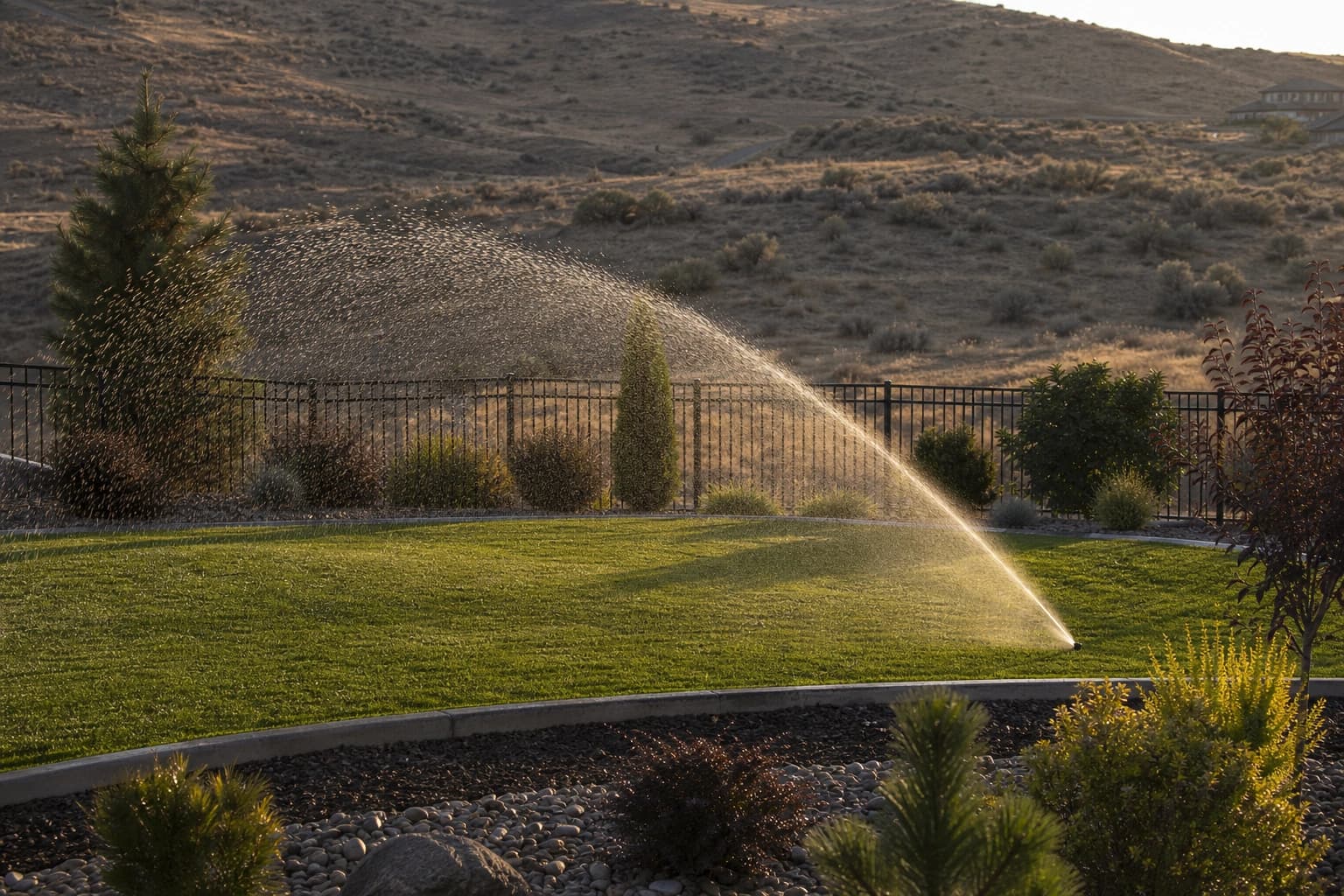
Turn any head that sprays the siding or foundation. In a landscape this dry, your irrigation is the reason insects are congregating at your walls in the first place — this is the highest-return free thing on the list.
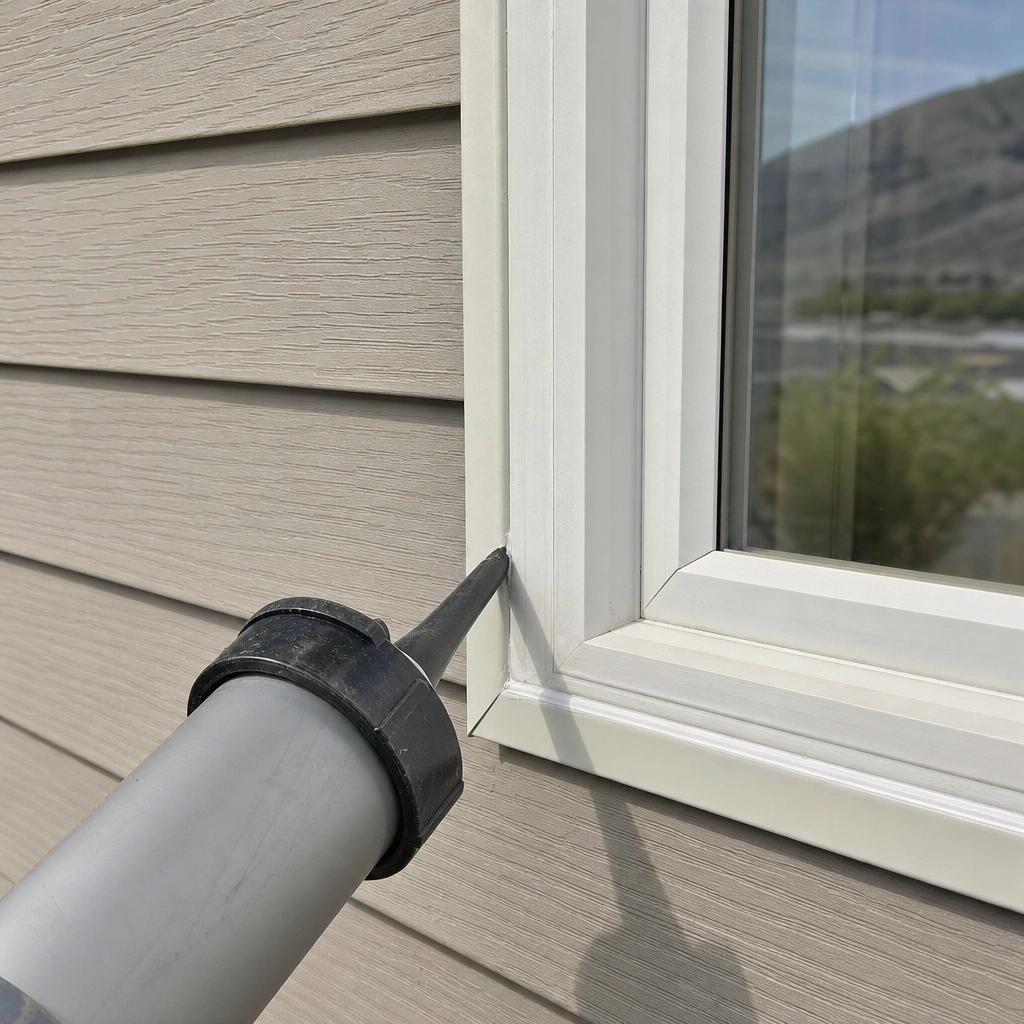
6. Caulk the gaps around windows, doors and trim
Newer construction settles in its first few years and opens hairline gaps at the sill plate and around frames. That's the doorway for boxelder bugs and stink bugs in October, and sealing in August is far easier than vacuuming them off the walls in November.
7. Trim vegetation off the house
Branches and shrubs touching walls, eaves or the roof are bridges — for ants, spiders, and rodents heading for the roof line. Four feet of clearance is a good target.
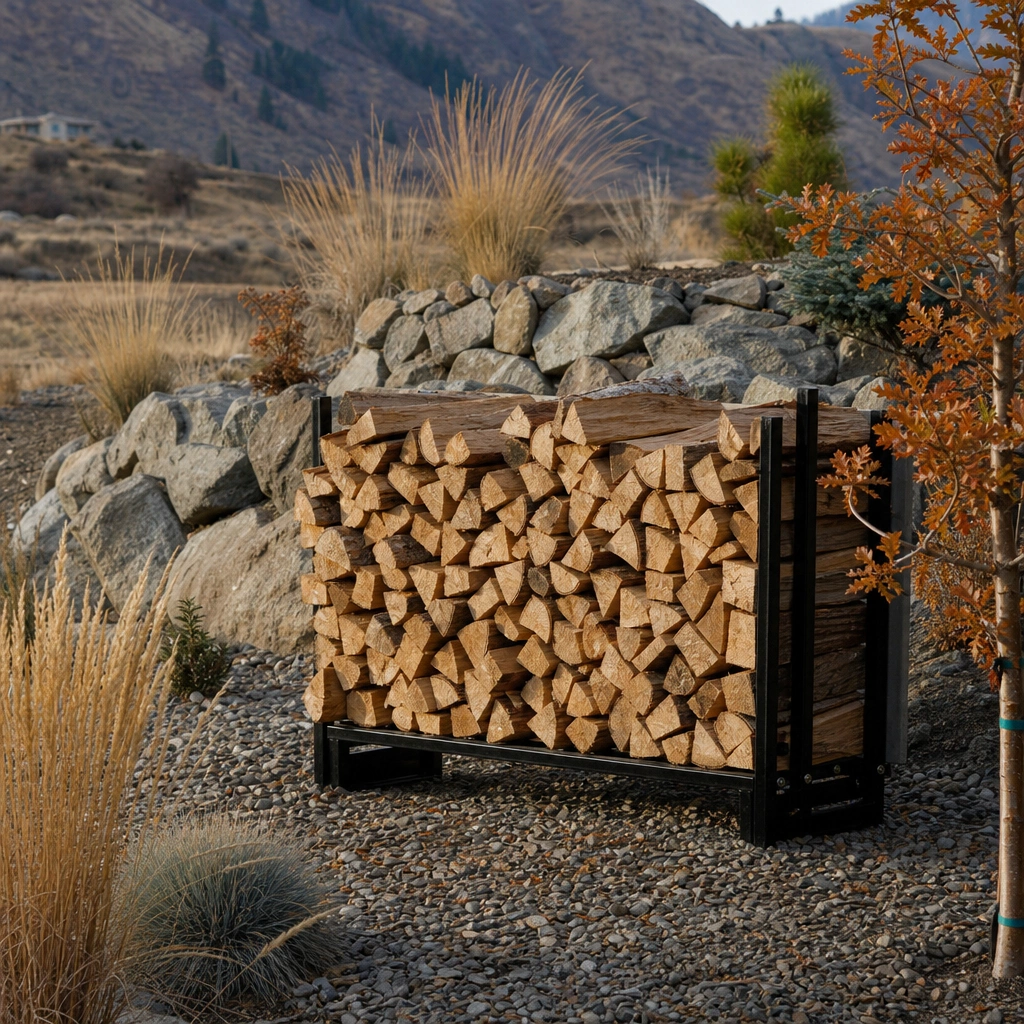
8. Move the woodpile, and store food properly
Firewood off the ground and away from the house. Pet food, birdseed and grass seed into sealed hard containers rather than the original bags — a paper sack in the garage is an open invitation during exactly this window.
9. Get the exterior treated before the wave, not after
A perimeter treatment in early September puts a barrier in place while the population is still outside deciding where to go. The same treatment in November is dealing with what already moved in. Same price, dramatically different outcome — this is the timing point that costs people the most money.
What the whole list costs — and what it saves
The materials for all nine fixes come to roughly $80–150 at any hardware store in Kennewick or Pasco:
Garage door bottom seal — about $30
Copper mesh or stainless wool — about $12
Quarter-inch galvanised hardware cloth — about $15
Exterior-grade caulk and a gun — about $20
Sealed storage bins for pet food, birdseed and grass seed — $25–60
Set against that: a rodent problem that gets into a wall or crawl space is not a one-visit job, and the damage side is worse than the pest side — chewed wiring, shredded insulation, contaminated stored goods. A weekend and $100 in August is the cheapest pest control you will ever buy.
A ten-minute walk-around, in order
If you do nothing else, do this loop with a flashlight and a notepad:
Start at the garage. Close the door, turn off the light, and look at both bottom corners from inside. Daylight means a gap.
Walk the perimeter clockwise. Eyes at ground level. You're looking for mulch or rock touching siding, gaps at the sill plate, and any hole you could push a pencil into.
Check every penetration. Hose bibs, gas and water lines, the A/C line set, dryer vent, electrical conduit. These are almost never sealed properly by builders.
Look up. Gable and soffit vents, branches touching the roof, gutters holding debris.
Look at your irrigation. Run a zone and watch where the water actually lands. Most people have never done this and are surprised.
Finish at the back door and dumpster or bin area. Standing water, spilled food, a bin lid that won't close.
Write down what you find rather than trying to remember it. Half of this list is things you'll walk past a hundred more times without noticing again.
Which pest each fix actually stops
The fix
What it keeps out
Garage door seal
Mice, rats, spiders, crickets
Copper mesh at penetrations
Mice, rats
Vent screening
Rodents, wasps, birds
Mulch and rock pulled back
Earwigs, crickets, ants, black widows
Sprinklers off the wall
Ants, earwigs, crickets, spiders
Caulking gaps
Boxelder bugs, stink bugs, spiders
Vegetation trimmed back
Ants, spiders, rodents
Woodpile and food storage
Rodents, spiders, ants
Exterior treatment
Everything already at the wall line
The two jobs worth handing over
Sealing is genuinely satisfying DIY work. Two parts of it usually aren't:
Crawl spaces and attics. Where the entry points you can't see actually are, and where nobody wants to spend a Saturday with a flashlight. It's also where an infestation gets confirmed or ruled out — and in deer mouse country, where CDC cleanup precautions matter, since droppings must never be swept or vacuumed dry.
The treatment itself. Sealing keeps them out; treatment handles what's already at the wall line, and a professional application lasts through the season rather than a week.
Your September deadline to pest-proof your Kennewick home
Work backwards: harvest starts moving rodents in late September. Everything above should be done by then. If you'd rather have it handled — inspection, sealing where it's accessible, and the perimeter treatment — call (509) 222-9828 or get a free quote. First visit as low as $149, plans from $59/month, free re-service between visits, and no contract required.
When should I pest-proof my home in the Tri-Cities?
Late August through mid-September. The rodent wave follows harvest from late September through November, so the sealing and the perimeter treatment need to be done before that starts, not during it.
What's the most important single fix?
The garage door bottom seal. It's the most common rodent entry point in newer homes here, it costs about $30, and it takes twenty minutes.
Does expanding foam keep mice out?
Not on its own — they tunnel through it. Pack the gap with copper mesh or stainless wool first, then seal over the top.
Will sealing alone solve it?
Sealing prevents new entry, which is the durable half. It doesn't address what's already inside a wall or crawl space, and it doesn't reduce the pressure gathering at your foundation — that's what the exterior treatment does.
Is fall a good time to start a pest control plan?
It's the best time. Starting before the autumn wave means the barrier is up before the pressure arrives, and you go into winter without overwintering insects already in your walls.
Every company says they're licensed, thorough and guaranteed. Here are the nine questions that actually tell them apart — and the three answers that should end the call.
A failed health inspection costs more than a year of service. What commercial pest work covers by property type, how often it's needed, and what the documentation is really for.
Seven inches of rain a year and still ants in the kitchen. The answer is irrigation, farmland, alkaline soil and two very different housing stocks — none of which a national pest site can tell you.