Rodent Control in Kennewick: 8 Simple Warning Signs
Mice move indoors here on a schedule tied to harvest, not to cold weather. Here's how to read the signs, tell mice from rats, and clean up safely in deer mouse country.
· 7 min read
Most people don't go looking for rodent control in Kennewick until they hear something in the ceiling at 2am. It's the one pest problem people reliably discover in the dark. By then the question isn't whether you have mice — it's how long they've been there. Here's how to read the evidence yourself.
The short answer
Droppings are the definitive sign: rice-grain sized and pointed means mice, olive-pit sized means rats. Rodents move into Tri-Cities homes in a distinct wave from late September through November, and it's driven by harvest more than by cold. One local warning: we have deer mice here, so never sweep or vacuum droppings dry — details below, and it matters.
Eight signs you need rodent control in Kennewick
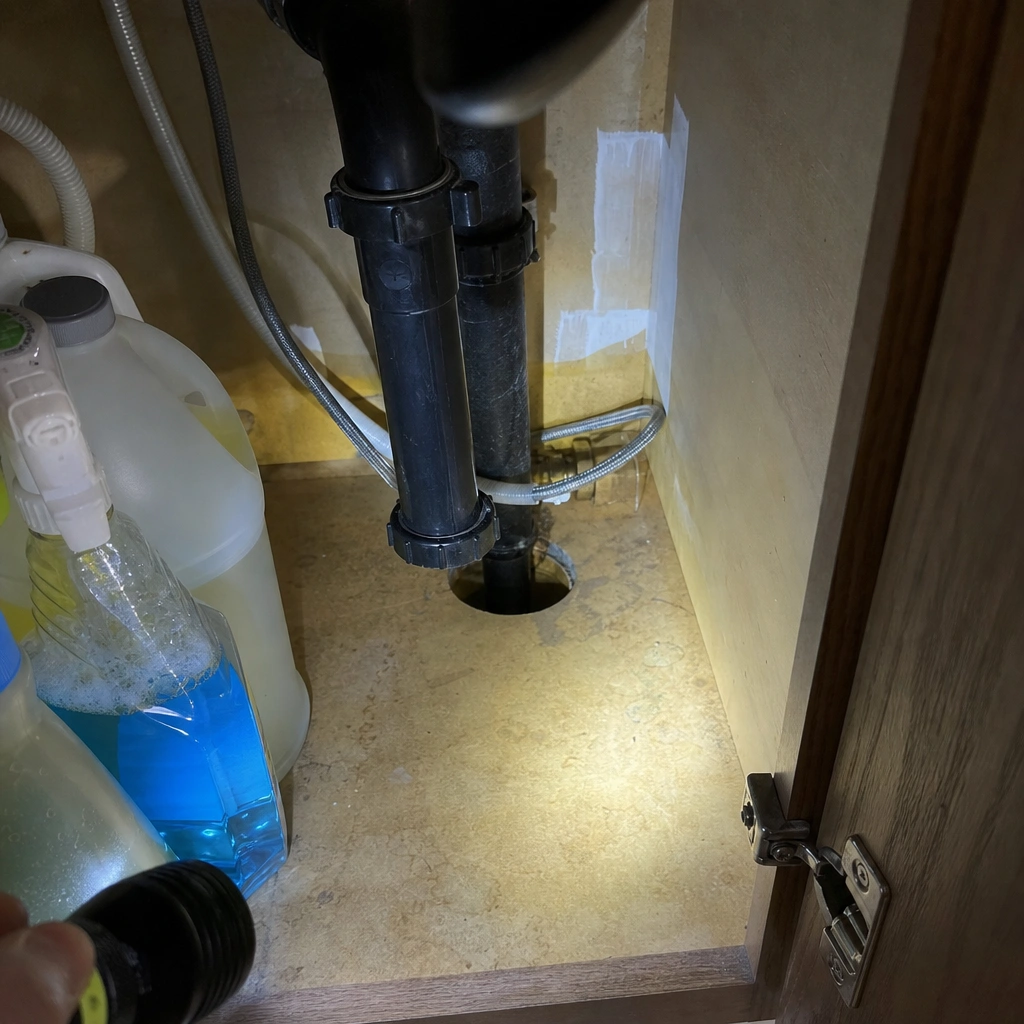
Droppings. The one that confirms it. Check under the sink, behind the stove, along garage walls, in the pantry, and on top of water heater closets.
Sound at night. Scratching or scurrying overhead or in a wall between roughly 9pm and 4am. Rodents are nocturnal; daytime noise usually means a heavy infestation or something else entirely.
Gnaw marks. Fresh gnawing is pale and looks like it was made with a tiny chisel. Old gnawing darkens. Check food packaging, cardboard boxes, and the corners of doors into the garage.
Rub marks. Rodents follow walls, and their fur leaves dark greasy smudges along baseboards, pipes and joists. Rats leave obvious ones; mice leave faint ones.
Nest material. Shredded paper, insulation, dryer lint or fabric bundled in a drawer, a box, behind an appliance, or in the insulation of a crawl space.
Your pet knows first. A dog or cat fixating on one cabinet, one wall or one spot on the ceiling for days is worth taking seriously.
Smell. A persistent stale ammonia smell in an enclosed space — a pantry, a closet, a crawl space — usually means urine accumulation and an established population.
Disturbed insulation. In the attic or crawl space, look for tunnelling, flattened tracks and displaced batts. This is where an infestation is confirmed or ruled out.
Mice or rats? It changes the plan
Sign
House mouse
Rat
Droppings
3–6mm, pointed ends, scattered widely
12–18mm, blunt or spindle shaped, concentrated
Entry gap needed
About 6mm — a pencil
About 12mm — a thumb
Where they live
Inside: walls, cabinets, appliance voids
Burrows outside, attics, crawl spaces, sewers
Behaviour to new objects
Curious — investigate traps quickly
Wary — often avoid new traps for days
That last row is why rat problems so often "don't respond to traps." They do; it just takes a week of the rats getting comfortable first.
The local part: our rodent season is agricultural
Homes in Kennewick, Pasco and Richland don't get mice because it turned cold. They get mice because the field next door got harvested.
From late September through November, alfalfa, corn and potato ground comes off across the Columbia Basin, canal laterals go dry for the season, and an enormous rodent population loses its cover and its food supply within a couple of weeks. It moves. Homes on the agricultural edge — the Road 68 and Broadmoor corridors in Pasco, the newer streets along Badger Mountain South, anything backing onto a canal, an orchard or an undeveloped block — take the first wave.
If you live on that edge, October is the month to have already sealed up, not the month to start looking.
Deer mice: the one genuinely serious local issue
Eastern Washington has deer mice as well as house mice, and deer mice can carry hantavirus. It's rare, but it's real, and Washington records cases most years.
The practical rule: never sweep or vacuum rodent droppings, nests or urine-contaminated material dry. That aerosolises particles, which is the route of exposure. Instead, ventilate the space for half an hour, wear gloves, spray the material thoroughly with a bleach solution or disinfectant, let it soak for five minutes, then wipe it up with a damp paper towel and bag it.
Deer mice are the pale-bellied, big-eyed, bicoloured-tail ones, and they're far more common in garages, sheds, crawl spaces and outbuildings than in kitchens. The CDC's hantavirus prevention guidance covers the cleanup procedure in full, and it's worth five minutes before you touch anything in a shed you haven't opened since spring.
Where they get in
A mouse needs a gap the width of a pencil. On a typical Tri-Cities house that means:
The garage door corners. The single most common entry point in newer homes — the rubber seal doesn't quite meet the concrete at one end.
Utility penetrations. Where the water line, gas line, A/C line set and electrical conduit pass through the wall.
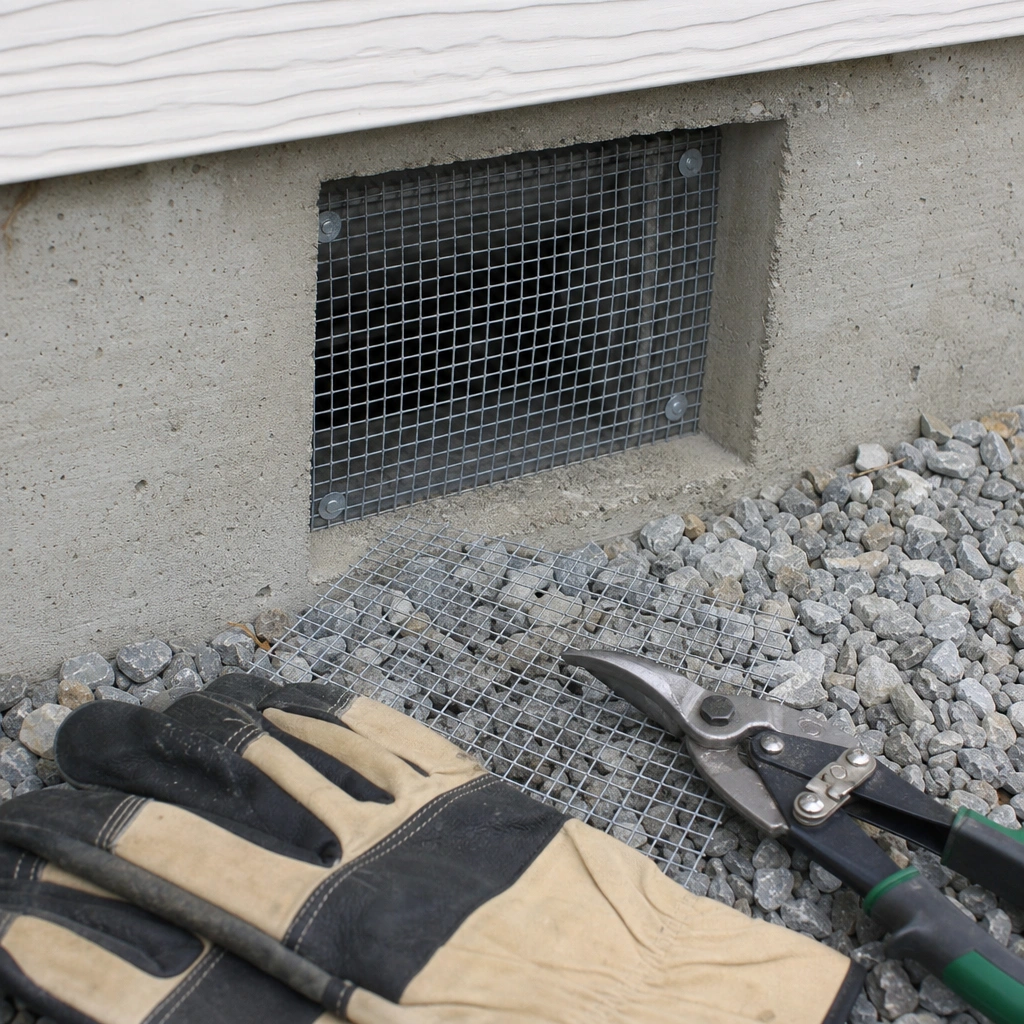
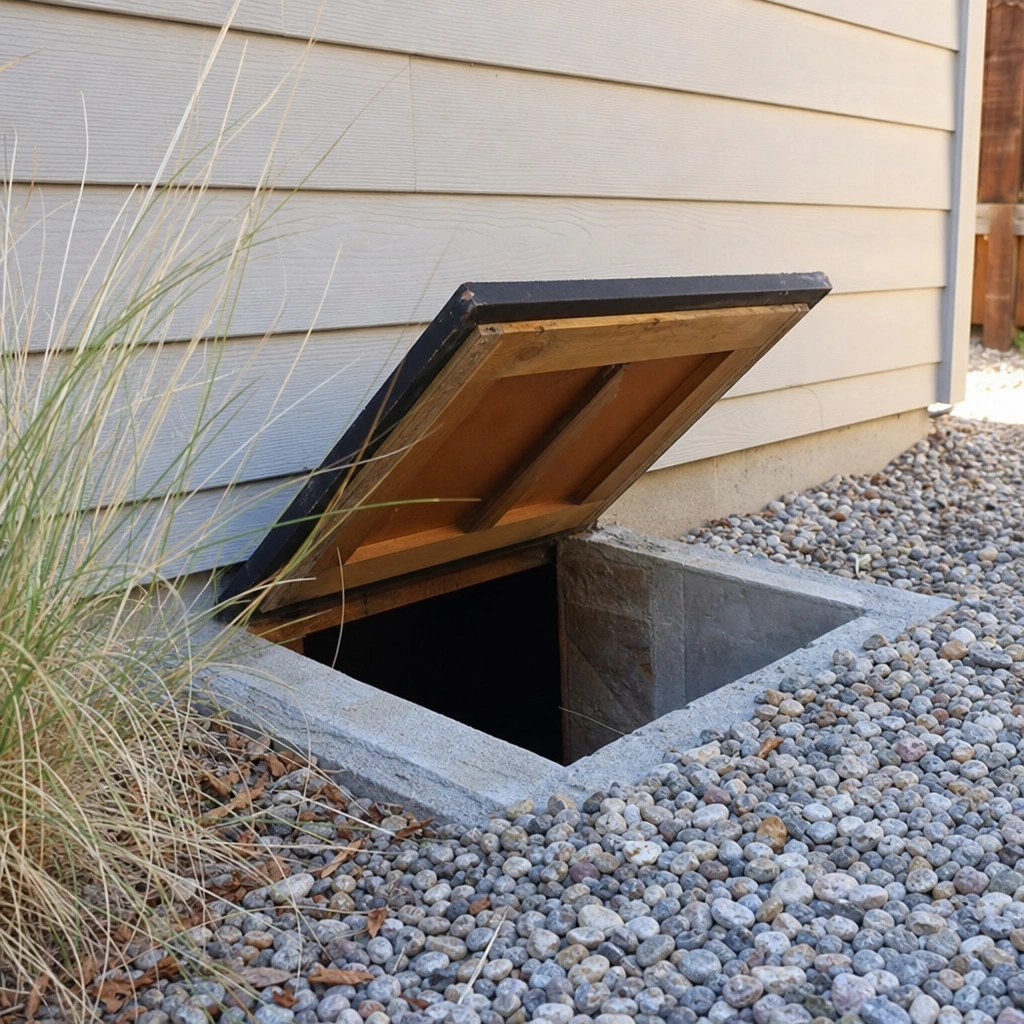
Foundation and crawl space vents with damaged or missing screens. Extremely common on Richland's Hanford-era alphabet houses and older central Kennewick homes.
Weep holes and the sill plate gap on newer construction that has settled a couple of years.
Roof line and soffit gaps where a tree branch or fence gives them a route up.
When rodent control in Kennewick is a DIY job
Mice are one of the pests where a determined homeowner does genuinely well.
DIY works if you've caught it early, you're dealing with a handful of mice, and you'll do the boring part: snap traps set perpendicular to the wall with the trigger against it, baited with a smear of peanut butter, a dozen of them rather than two, checked daily. Then seal the entry points with steel wool and caulk, or hardware cloth for anything bigger.
Call someone if you're hearing activity in the ceiling or walls rather than seeing it in cabinets; if you have rats rather than mice; if there's a smell of something dead in a wall; if activity continues for more than two weeks of consistent trapping; or if it's in a crawl space you'd rather not enter. Crawl space and attic work is unpleasant, and it's where the actual population lives.
What a professional service does differently
With rodent control in Kennewick, the trapping isn't the value — the exclusion is. A proper rodent service inspects the full exterior for entry points, seals them with rodent-proof material, sets and monitors interior traps and exterior stations, and returns to verify activity has stopped rather than assuming it has.
Rodent coverage is a $10/month add-on on the Home Pest Protection Plan, which includes bait station service at every visit. Rodents rarely resolve in one appointment — plan on an initial visit and at least one follow-up.
A one-time rodent treatment averages $249 and covers inspection, entry-point sealing where it's accessible, and trap or station placement. Rodent coverage on the Home Pest Protection Plan is a $10/month add-on, which includes exterior bait station service at every visit and free re-service if activity returns.
Be sceptical of anyone quoting a rodent job without inspecting first. The price of the work is driven almost entirely by how many entry points there are and whether they're reachable — a mouse job on a slab-on-grade home in Southridge is a genuinely different task from one on a Richland alphabet house with a crawl space and original wood trim.
The two-week exclusion checklist
Whether you hire someone or not, these are the things that end a rodent problem permanently. Sealing is what stops re-infestation; trapping only clears what's already inside.
Garage door corners. Replace the bottom seal, and check both ends where it meets the track. This is the number one entry point in newer Tri-Cities homes.
Utility penetrations. Stuff copper mesh or steel wool into the gap around water, gas, electrical and A/C lines, then seal over it.
Foundation and crawl space vents. Replace damaged screens with quarter-inch galvanised hardware cloth. Plastic screening gets chewed straight through.
Weep holes and sill plate gaps. Copper mesh, not expanding foam — mice tunnel through foam without much trouble.
Roof line and soffits. Check where branches or fences give a route up, and trim them back at least four feet from the roof.
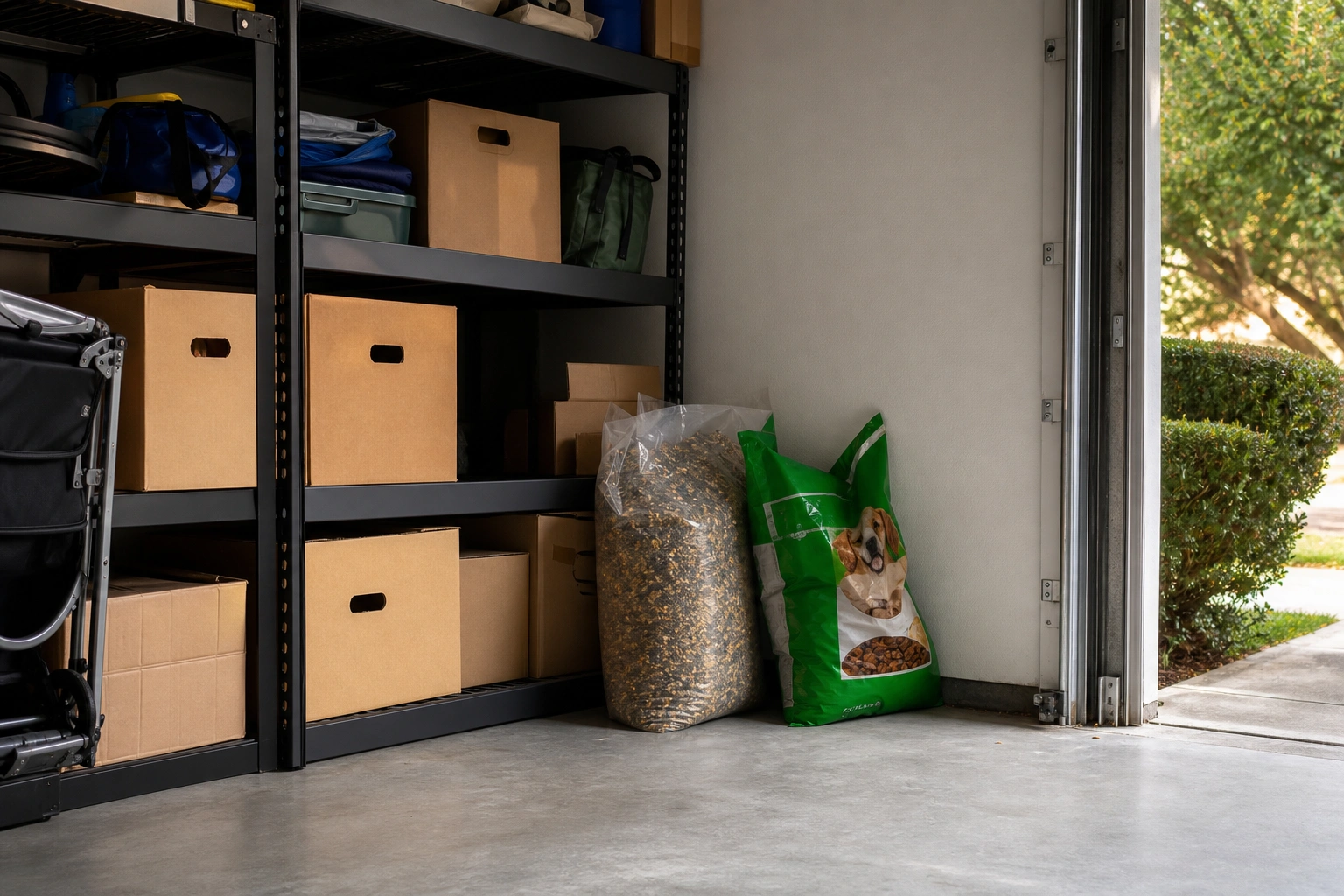
Food storage. Pet food, birdseed and grass seed into sealed hard containers, not the original bags. Garage shelving off the floor.
Do those six and a mouse problem generally doesn't recur, whoever does the trapping.
Frequently asked questions
How do I know if it's mice or rats?
Droppings settle it. Mouse droppings are rice-grain sized with pointed ends and are scattered everywhere they travel; rat droppings are two to three times bigger with blunter ends and are concentrated in fewer places.
When do mice come into Tri-Cities homes?
Late September through November, and it tracks harvest more than temperature. Homes near fields, orchards, canals or undeveloped land see it first and hardest.
Is it safe to vacuum up mouse droppings?
No. We have deer mice in eastern Washington and they can carry hantavirus, which is contracted by breathing in aerosolised particles. Ventilate, wear gloves, wet everything down with disinfectant, wait five minutes, then wipe up with damp towels and bag it.
Will one mouse become an infestation?
Usually. A house mouse can have a litter every three weeks, and where there's one there's normally a route that others will use too. Seal the entry point, not just the mouse.
Do ultrasonic repellers work?
No. They test poorly and rodents habituate to them quickly. Traps and exclusion are what actually change the outcome.
How long does rodent control take?
Expect two to four weeks from first treatment to confirmed quiet, across at least two visits. Anyone promising a single-visit fix for an established population is overselling.
They don't bite, don't breed indoors and don't damage anything — and they're still the number one fall complaint here. The problem is that by the time you see them, the useful window has closed.
The shield-shaped ones on your window in October aren't native, they're an invasive orchard pest — and the reason they end up in your bedroom has nothing to do with your housekeeping.
The most common explanation for fall spiders is also wrong, and it leads people to the wrong fix. Here's what's actually happening in September and October, and what changes it.