Stink Bugs in Kennewick: Stopping the Fall Invasion
The shield-shaped ones on your window in October aren't native, they're an invasive orchard pest — and the reason they end up in your bedroom has nothing to do with your housekeeping.
· 6 min read
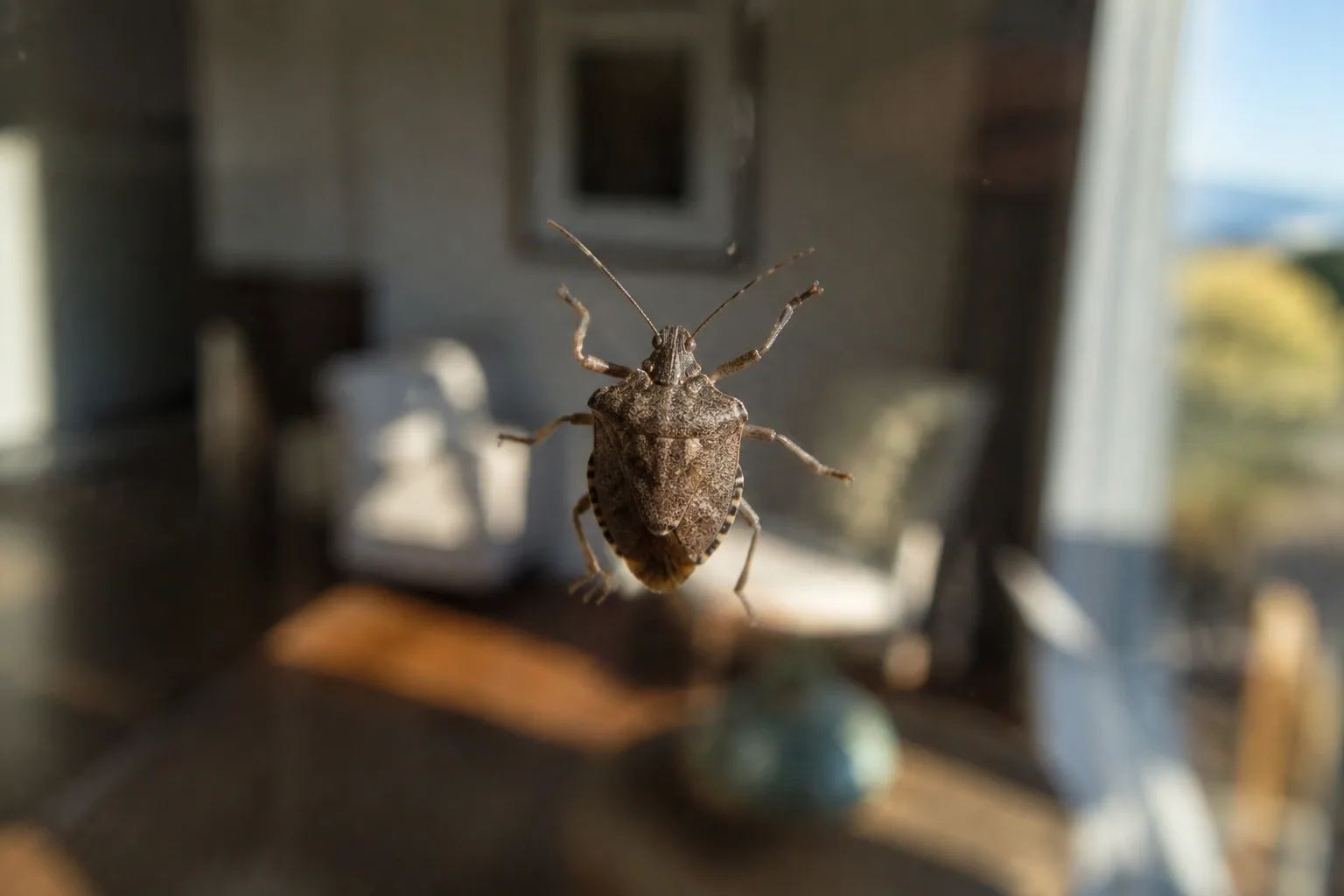
You'll usually meet the first one on a window in early October, sitting still, shield-shaped, roughly the size of a thumbnail. Then you'll find one on the curtain, one behind the blind, one flying with that heavy clumsy buzz into a lamp. Stink bugs in Kennewick follow a predictable script every autumn, and the frustrating part is that by the time you're seeing them indoors, the useful part of the job is behind you.
The short answer
Stink bugs come inside in fall to overwinter, not to feed or breed. They enter through gaps around windows, siding, soffits and vents, usually on the sunny side of the house. Seal those gaps and treat the exterior in late August through mid-September and you avoid most of it. Once they're in the wall, your options narrow to a vacuum and patience.
Which stink bug you're dealing with
Two matter here, and they behave differently.
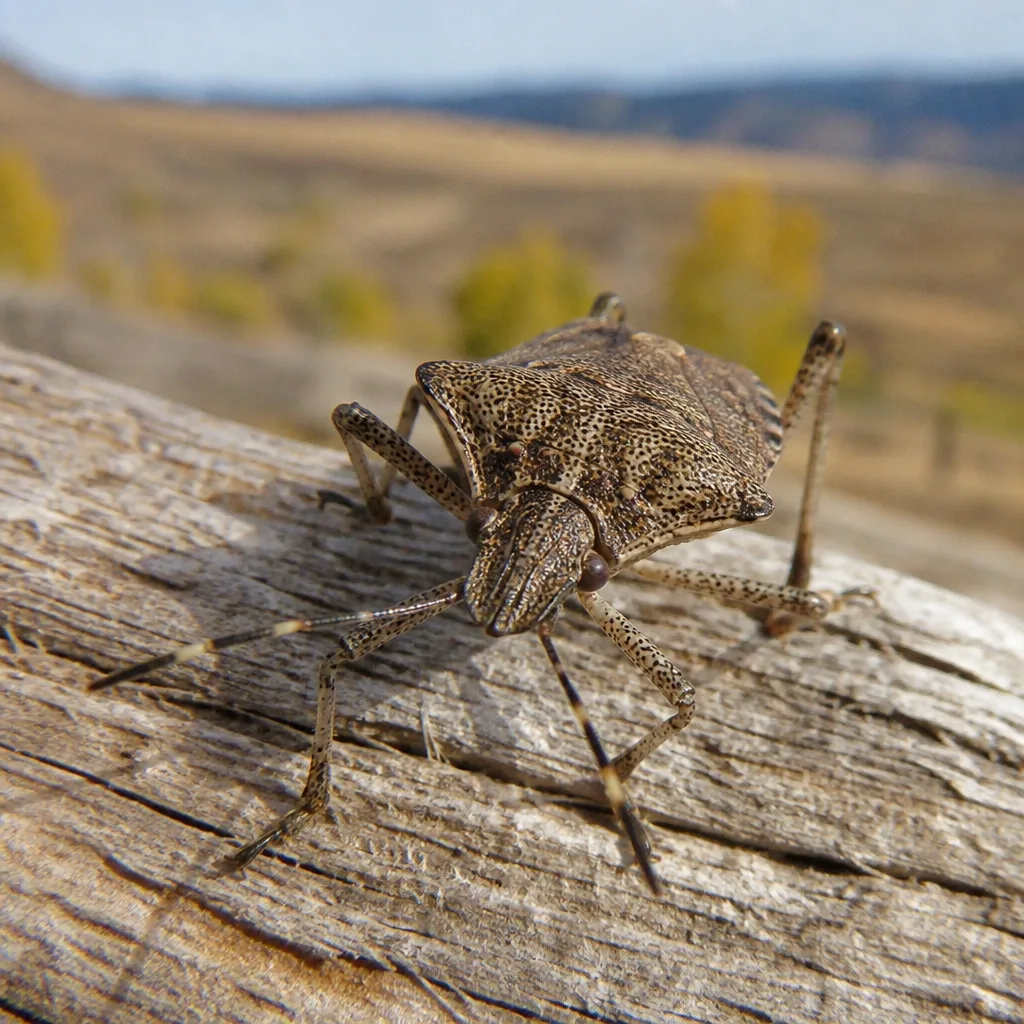
The brown marmorated stink bug (BMSB) is the invasive one, native to East Asia, first found in the US in the 1990s and now established across Washington including the Columbia Basin and the Yakima Valley. It's mottled brown, about three-quarters of an inch, shield-shaped, with alternating light and dark bands on the antennae and along the edge of the abdomen. Those antenna bands are the reliable field mark. This is the one that comes indoors in numbers.
Native stink bugs — the consperse stink bug and its relatives — are around too, and they're greener or plainer brown without the banding. They're garden insects, and they mostly don't do the mass-overwintering-in-your-house thing.
If a shield-shaped bug is on your living room ceiling in November, it's almost certainly BMSB.
Why the Tri-Cities in particular
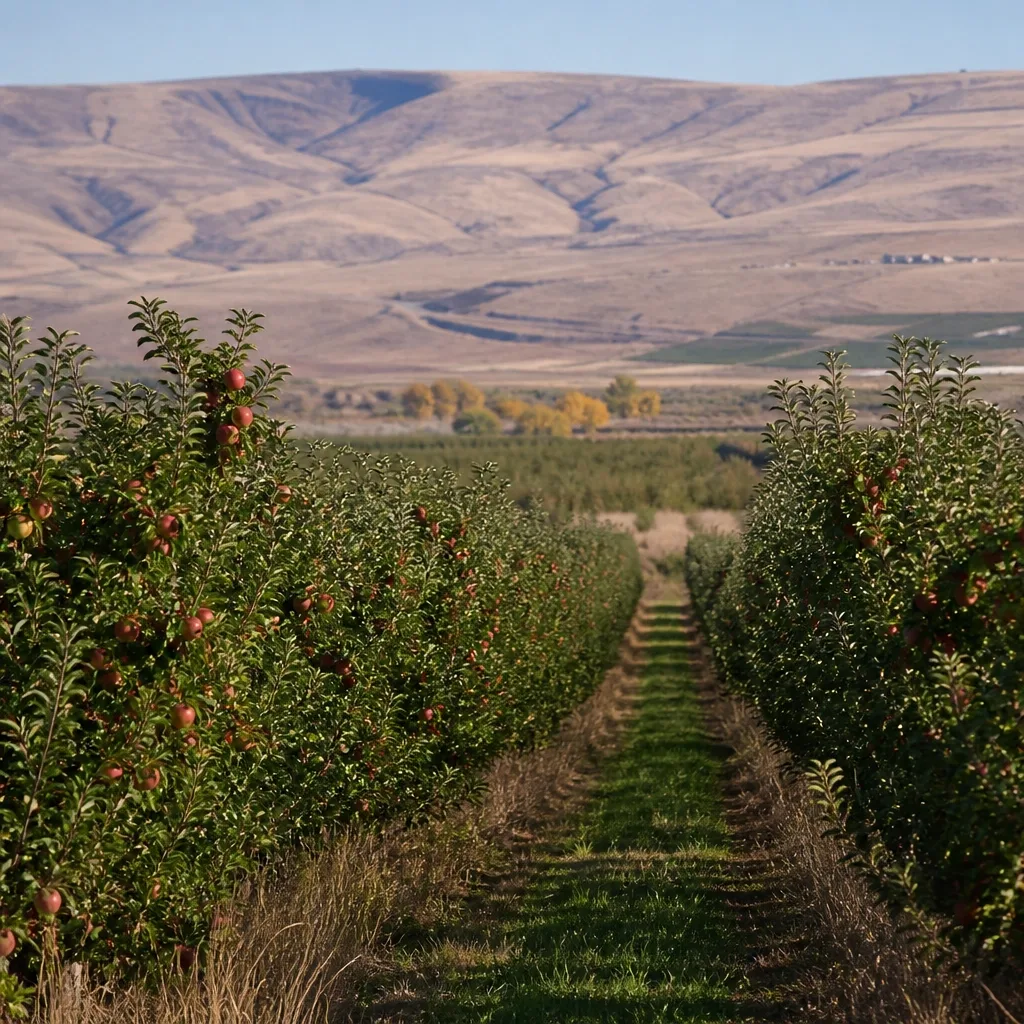
BMSB is a serious agricultural pest of tree fruit, and we're surrounded by tree fruit. Apples, pears, cherries and wine grapes across the Columbia Basin and up into the Yakima Valley are exactly the hosts it does best on. The regional population has a food supply that most parts of the country don't offer.
Add the way homes are laid out here — large, light-colored, sun-facing walls with a lot of surface area — and you get the two ingredients: a big source population nearby, and buildings that read as ideal overwintering sites.
Homes on the agricultural edge see it most. If you back onto orchard, vineyard or open ground, or you're in the newer developments out toward Badger Mountain South or along the Road 68 corridor, you're in the higher-pressure zone.
What they actually do inside
Almost nothing, which is either reassuring or maddening depending on your temperament.
They don't bite or sting. Their mouthparts are built for plants.
They don't eat anything in your house — not wood, not fabric, not food in the pantry.
They don't reproduce indoors. They're in diapause, essentially dormant. The ones in your wall in February came in last October.
They do smell. Crushing or startling one releases the defensive compound they're named for. It's genuinely unpleasant and it lingers on fabric and hands.
They do get into everything. Light fixtures, blinds, the folds of curtains, the back of the closet.
The real cost is the low-grade ongoing annoyance of finding them from October until April, and the smell when one ends up in the vacuum or underfoot.
How they get in
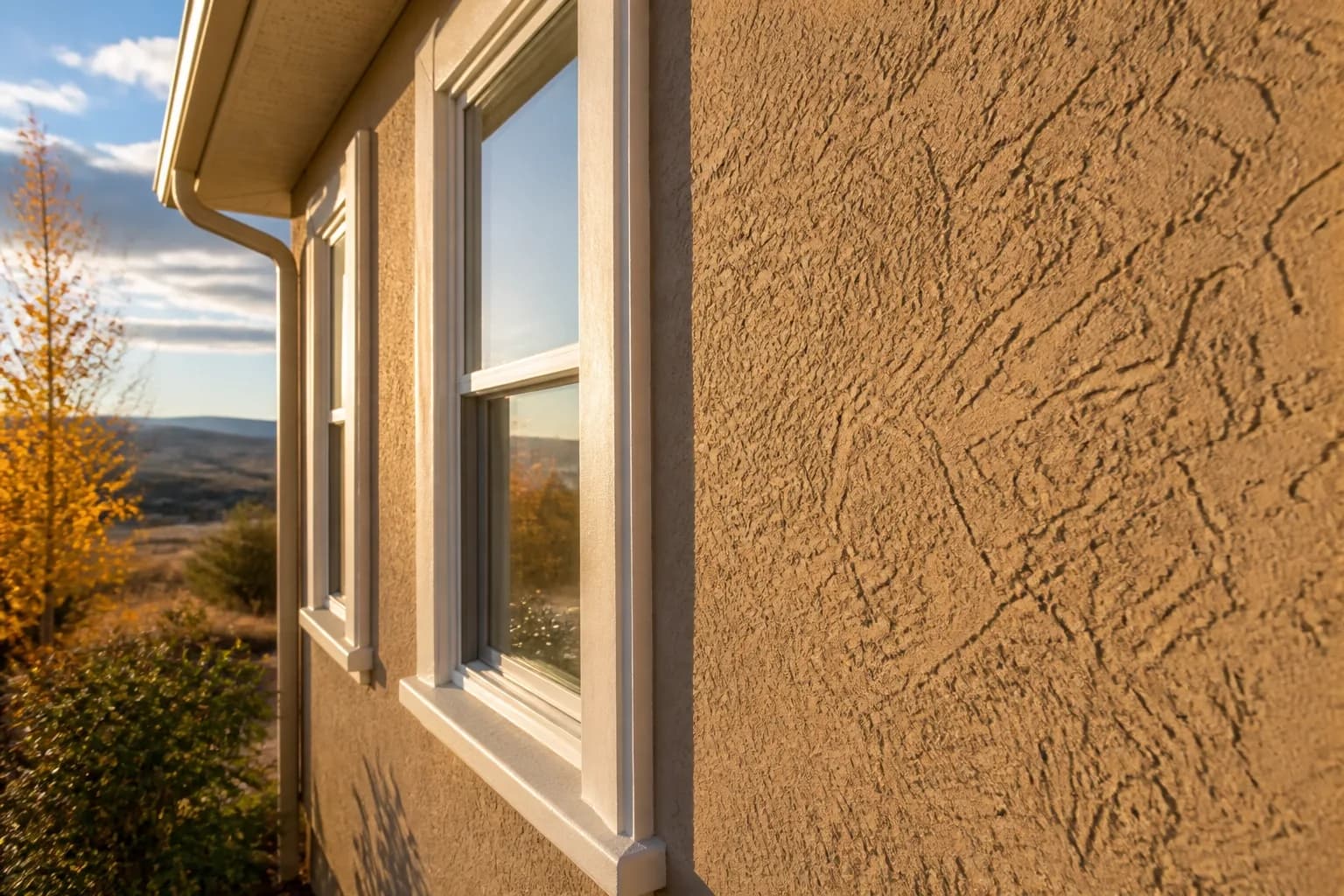
They're strong fliers and they're drawn to warm sunlit walls in the afternoon. From there they walk until they find an opening. The routes are boringly consistent:
Around window and door frames — the gap between frame and siding.
Under and behind siding, especially where it meets trim or the soffit.
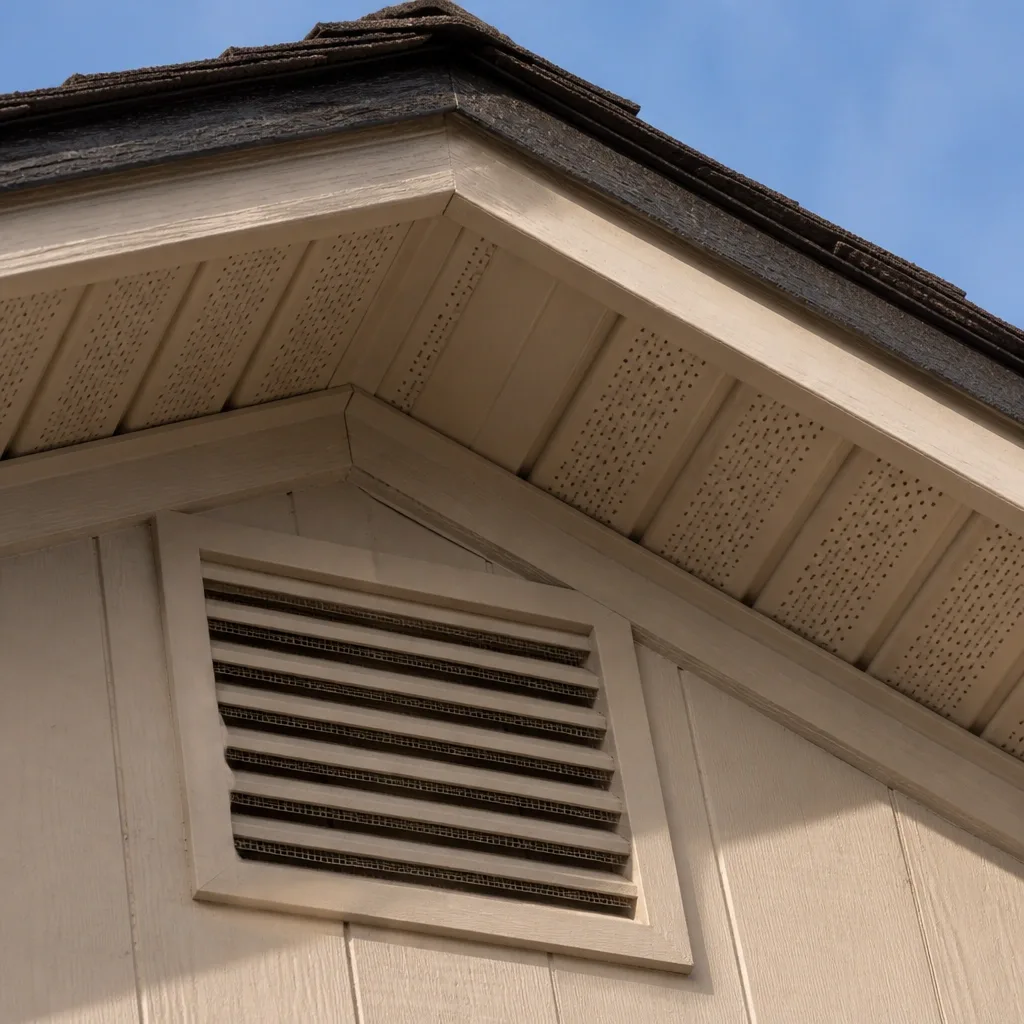
Attic and gable vents that are louvered but not screened.
Torn window screens and failing weatherstripping, which is how they end up in the room instead of the wall.
Chimney and fireplace flues left open.
Once inside a wall void or attic, they settle in for the winter. They resurface on warm days, and again in spring on the way out — which is why plenty of people meet more of them in March than they did in October.
The timing that decides how your winter goes
Late August – mid September
Seal and treat the exterior. The whole ballgame.
Late September – October
They gather on sunny walls and move in. Treatment helps; sealing is late.
November – February
Dormant in wall voids. Vacuum the ones that appear.
March – April
They exit, often through your living space. Nuisance peaks again.
The exterior work has to be done before the gathering starts, not during it. A barrier applied in early September is on the wall and working when the pressure arrives. The same treatment applied in November is treating a wall the insects have already walked past.
What to do about the ones already inside
Vacuum them, and use a bag you can throw away. The odor gets into a bagless canister and every subsequent use smells like it. An old stocking rubber-banded into the hose end, tied off and binned, works well.
Don't crush them. Obvious, but it's reflex. The smell transfers to whatever they were on.
Don't fog or bomb the house. It won't reach insects sealed in a wall void, and dead insects inside walls draw dermestid beetles — a longer-lived problem than the one you were solving.
Don't bother with the light traps sold for this. They catch a handful and change nothing about the population in your wall.
Expect a spring wave. It isn't a new infestation and it isn't a treatment failure.
What actually reduces the numbers
Two things, in this order.
Exclusion. Caulk the window and door frames, screen the vents with 16-mesh or finer, close utility penetrations, repair screens and weatherstripping. Concentrate on south- and west-facing walls, where the great majority arrive. You won't seal a house completely; you don't have to. Closing the main routes on two walls changes the scale.
A timed exterior treatment. A residual barrier on the walls, foundation line, window and door surrounds, eaves and soffits, applied before the mass movement. Insects landing on treated surfaces don't establish, and it keeps working for weeks — which is what separates it from anything you spray out of a bottle at a bug you can see.
Done together in early September, most homes go from "several a day all winter" to "a few over the season."
One useful side effect
Stink bugs arrive in exactly the same window as boxelder bugs, cluster flies, fall spiders and the crickets and earwigs pressing at the foundation. They're all doing the same thing for the same reason at the same time. One properly timed exterior treatment addresses the whole group, which is why fall is the highest-value service visit of the year in this region.
Get ahead of it
If you spent last winter picking stink bugs off the blinds, the fix happens in September, not January. Call (509) 222-9828 or get a free quote. First visit $149 instead of $249, plans from $59/month, free re-service between visits.
No. They don't bite, sting or carry disease, and they don't damage your home. The problem is the smell when they're crushed and the nuisance of finding them all winter.
Why are stink bugs in my house in winter?
They came in during fall to overwinter and are dormant in a wall void or attic. Warm days wake a few and they wander into living space. They aren't breeding in there.
Do stink bugs lay eggs indoors?
No. They're in diapause indoors and don't reproduce until they're back outside on host plants in spring.
What's the best way to remove them?
Vacuum with a disposable bag or a stocking you can tie off and throw away. Don't crush them and don't use a bagless vacuum unless you want it to smell for months.
When should I treat for stink bugs in Kennewick?
Late August through mid-September, before they gather on sunny walls. Treating after they've moved in is far less effective.
Are these the invasive kind?
If it's coming indoors in numbers, almost certainly yes — the brown marmorated stink bug, identifiable by the alternating light and dark bands on its antennae. It's established across the Columbia Basin, where it's also a significant orchard pest.
They don't bite, don't breed indoors and don't damage anything — and they're still the number one fall complaint here. The problem is that by the time you see them, the useful window has closed.
The most common explanation for fall spiders is also wrong, and it leads people to the wrong fix. Here's what's actually happening in September and October, and what changes it.
Every company says they're licensed, thorough and guaranteed. Here are the nine questions that actually tell them apart — and the three answers that should end the call.