Boxelder Bugs in the Tri-Cities: Why They Swarm Your Wall
They don't bite, don't breed indoors and don't damage anything — and they're still the number one fall complaint here. The problem is that by the time you see them, the useful window has closed.
· 7 min read
Some October afternoon you'll walk around the south side of the house and find a few hundred black-and-orange insects sitting on the siding, doing nothing in particular. That's it. That's the whole event. Boxelder bugs in the Tri-Cities are the most-complained-about fall pest in the region and simultaneously the most harmless, which is a strange combination that makes them genuinely frustrating to deal with.
The short answer
Boxelder bugs gather on warm, sunlit walls in fall looking for somewhere to spend the winter, then squeeze into gaps around windows, siding, soffits and vents. They don't bite, sting, breed indoors or damage your house. Killing the ones you can see accomplishes nothing, because more arrive the next warm afternoon. The only two things that work are sealing the gaps and treating the exterior before they mass — which in the Tri-Cities means late August through mid-September, not October.
What you're actually looking at
Adults are about half an inch long, flat, black, with three red-orange lines running down the back of the thorax and a red-orange edge outlining the wings. Underneath they're bright red. The nymphs are smaller and almost entirely red, which is why people often think they're seeing two different insects on the same wall.
They feed on the seeds of boxelder, maple and ash trees. Boxelder is a scrappy, fast-growing maple that turns up along the Columbia and Yakima rivers, in older neighborhoods, in alleys, and in every unmaintained fence line in Kennewick and Pasco. It seeds heavily and lives where nobody planted it. If you have a big population and you don't have a boxelder tree, one of your neighbors does, or there's a stand along the nearest greenbelt.
Why they pick your wall specifically
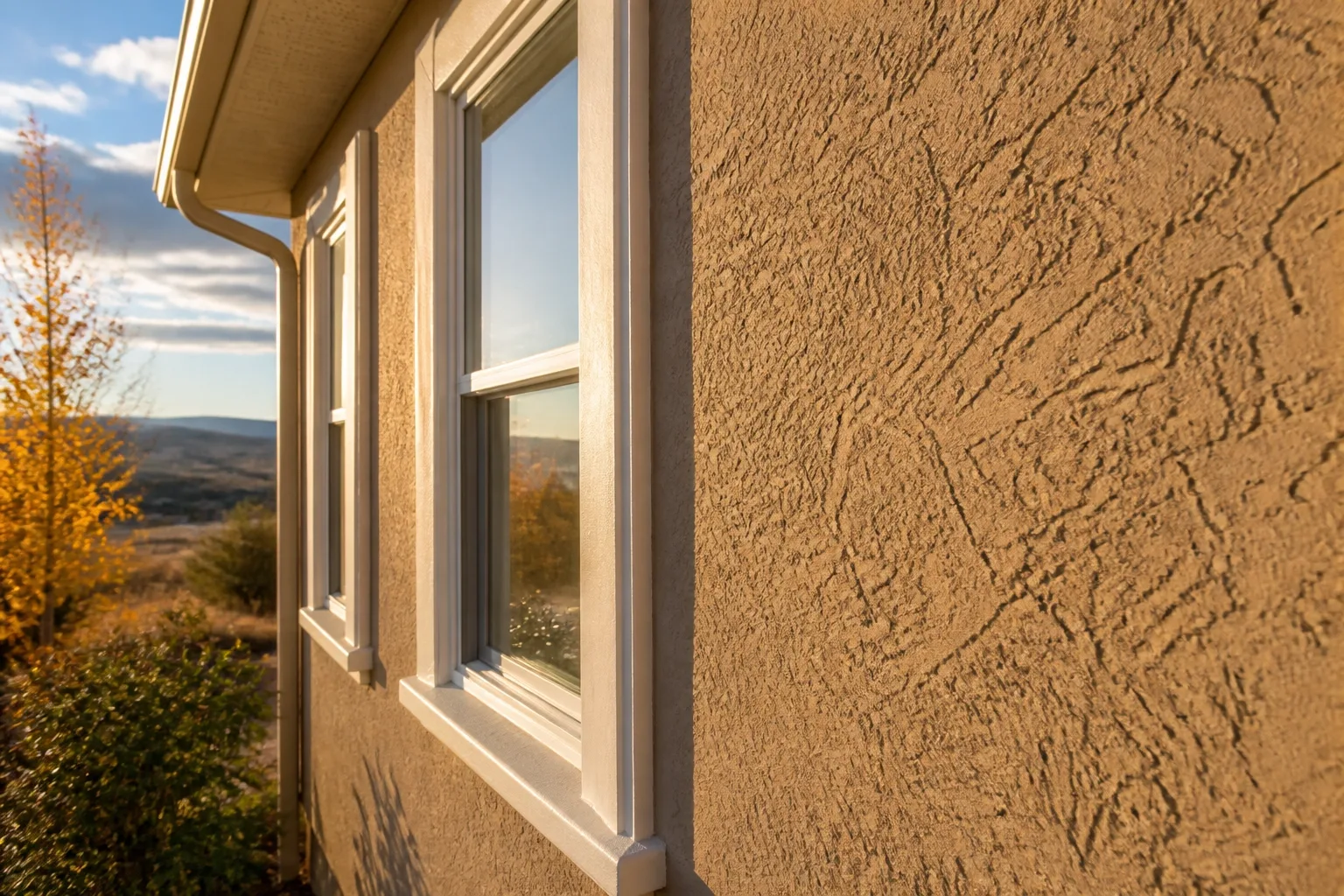
They're looking for heat. In fall, a south- or west-facing wall in full sun runs many degrees warmer than the air, and the insects use that warmth to stay active while they look for an overwintering site. That's why the swarm is almost never on the north side of the house, and why it shows up in the afternoon and thins out by evening.
Three things make a house a magnet here:
A large, unbroken sunny wall. Light-colored stucco and siding are the classic. More reflected heat, more surface, more bugs.
A boxelder, maple or ash within a couple hundred yards. Female boxelder trees — the ones producing the papery seed pairs — are the strongest driver.
Gaps. Where a wall is warm and also has openings, they don't just sun themselves, they move in.
This is why one house on a street gets covered and the house next door barely notices. It usually comes down to sun exposure and one tree.
What they do and don't do
Worth being clear, because the internet is not:
They do not bite. They have piercing mouthparts built for seeds, not skin. A very rare defensive poke is possible if you trap one against yourself, and it is nothing.
They do not damage your house. They don't chew wood, wiring or insulation, and they don't eat fabric.
They do not reproduce indoors. Anything you find inside in January came in last fall. There is no growing colony in your wall.
They do stain. Their excrement leaves yellow-orange marks on siding, curtains, carpet and painted surfaces, and crushing one makes it worse and adds a smell.
So the honest framing is that this is a nuisance problem, not a damage problem. That doesn't make it a small problem — a few thousand insects on the front of your house is a real thing to live with — but it does change what a sensible response looks like.
Why spraying the wall doesn't fix it
This is the part that frustrates people most, so it's worth explaining properly.
When you spray the visible cluster with a contact product, you kill that cluster. The insects on the wall at that moment are a fraction of the population, and they're mobile. The next warm afternoon, more arrive from the tree, the fence line, the neighbor's wall. You've made a dent in a group that refills itself within a day or two.
Soapy water works the same way — it kills on contact and leaves nothing behind. It's genuinely useful for knocking down a cluster you want gone right now, and it's completely useless as a strategy.
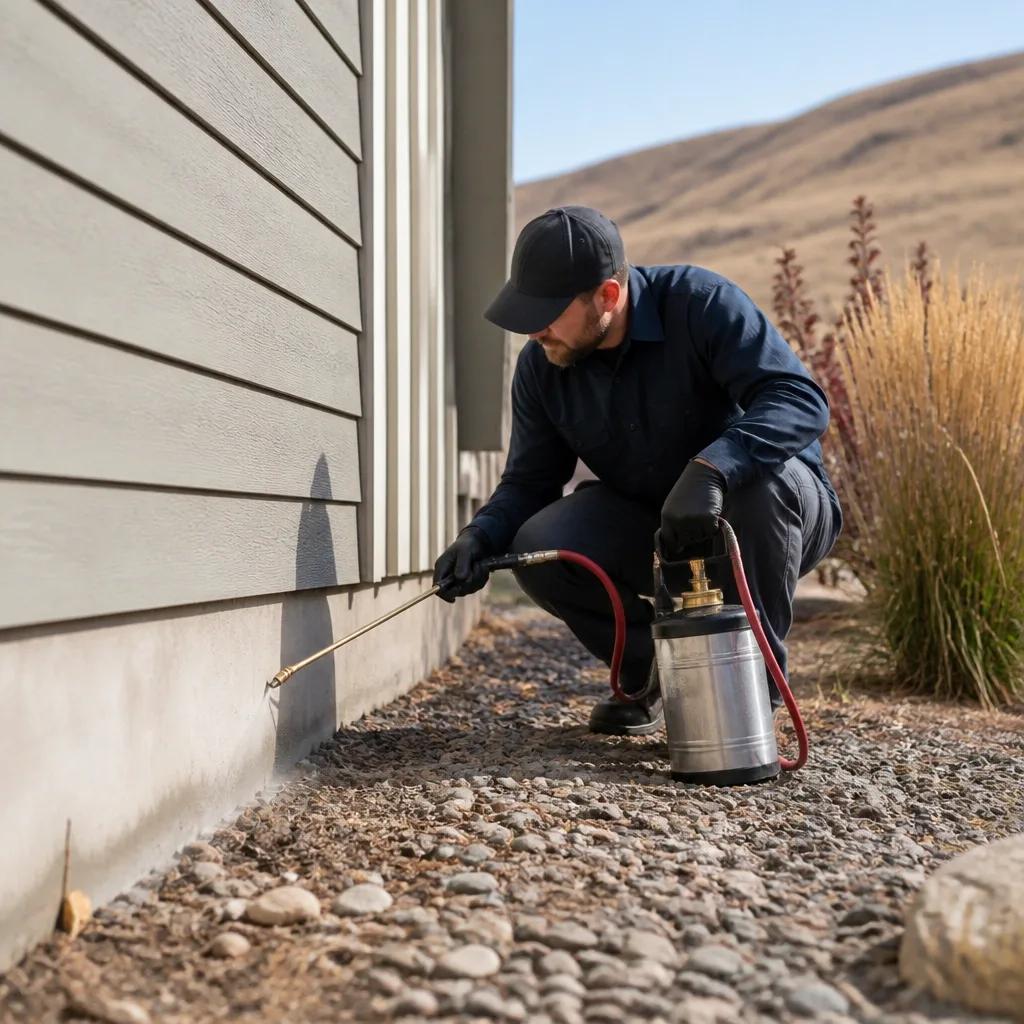
What changes the outcome is a residual treatment applied to the surfaces they land on and enter through, before the mass gathering starts. Then the wall itself is doing the work every day for weeks instead of you doing it every afternoon.
The timing, which is the whole game
Here's the calendar for the Tri-Cities:
Late August – mid September
Seal gaps. Treat the exterior. This is the window.
Late September – October
They mass on sunny walls and move in. Treatment still helps, sealing is now partly too late.
November – February
They're inactive in wall voids and attics. Nothing outside changes anything.
Warm winter days
A few wake up and wander into living space. Vacuum them.
March – April
They leave, over several weeks, often through your rooms rather than back outside.
Most people call in late October, when the wall is covered. That's understandable and it's also the point where the cheap, high-leverage part of the job has already passed. If you're reading this in September, you're early, and early is worth a lot here.
Sealing: where they actually get in
Boxelder bugs are flat and they only need a gap about the thickness of a credit card. Work the sunny walls first — you get most of the benefit from a fraction of the house.
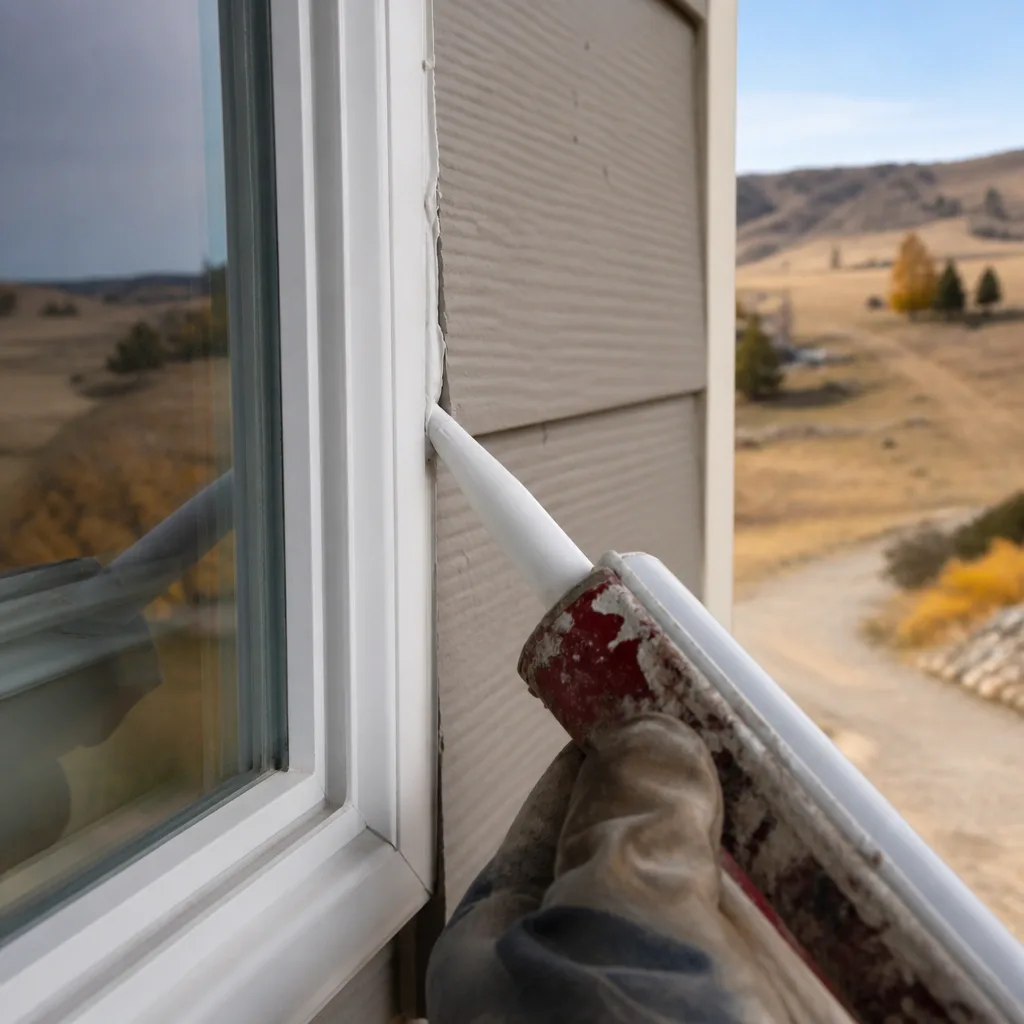
Window and door frames. The gap between frame and siding, especially on the sunny side. Caulk it.
Where siding meets trim, corners and the soffit. The single most common entry route into an attic.
Attic and gable vents. Screen with 16-mesh or finer. Standard vent louvers stop nothing this size.
Torn window screens and worn weatherstripping. Cheap, and they're the reason bugs end up in the room rather than the wall.
You will not seal a house perfectly, and you don't need to. Closing the top ten gaps on two sunny walls changes the scale of the problem substantially.
Dealing with the ones already inside
Vacuum, don't squash. Crushing stains the surface and releases an odor. A shop vac is ideal; empty it outside afterwards or they'll wander back out.
Don't spray insecticide inside wall voids. Dead insects in a wall attract dermestid beetles, which are a worse and longer problem than the bugs you started with.
Expect stragglers all winter. Warm days wake them. It's not a treatment failure, it's the ones that got in before the barrier went up.
The tree question
People ask whether they should cut down the boxelder. It's a real lever — removing a nearby female (seed-bearing) tree meaningfully reduces the local population over a couple of seasons. It's also a big, expensive, permanent decision, and if the tree is on someone else's property it isn't yours to make.
Our honest advice: don't remove a tree you like over a nuisance insect. Seal and treat first. If you were already going to take out a scrubby volunteer boxelder along the fence, then yes, that will help.
What professional treatment actually does
A perimeter application in early fall puts a residual barrier on the surfaces boxelder bugs land on and enter through — the sunny walls, the foundation line, around windows and doors, eaves and soffits. Insects that contact it don't establish, and the barrier keeps working through the weeks when pressure peaks, rather than for the fifteen minutes a contact spray lasts.
It also handles everything else arriving in the same window, which is the part people underestimate. The same treatment covers stink bugs, spiders, crickets and earwigs pushing at the wall line at exactly the same time of year. Boxelder bugs are just the ones visible enough that you notice.
Getting ahead of it
If your south wall gets covered every fall, the fix is a treatment in early September and an hour with a caulk gun — not a bottle of spray in late October. Call (509) 222-9828 or get a free quote. First visit $149 instead of $249, plans from $59/month, free re-service between visits if anything comes back.
No. They don't bite, they don't damage the structure, and they don't reproduce indoors. They stain surfaces with their excrement and they smell if crushed. It's a nuisance problem.
Why are there suddenly hundreds on my wall?
They're gathering on a warm sunny surface in fall to find an overwintering site. It's almost always the south or west wall, and it usually means there's a boxelder, maple or ash tree within a couple hundred yards.
Will spraying them get rid of them?
Contact sprays kill the ones you hit and nothing else — more arrive the next warm day. What works is a residual exterior treatment applied before they mass, plus sealing the gaps they enter through.
When should I treat for boxelder bugs in the Tri-Cities?
Late August through mid-September. By late October, when most people call, the gathering has already started and the sealing window has largely closed.
Do I need to cut down my boxelder tree?
Not usually. Removing a nearby seed-bearing tree does reduce the population over a couple of seasons, but sealing and an early-fall exterior treatment solve the problem for most homes without touching the tree.
Why am I seeing them inside in the middle of winter?
They came in last fall and are overwintering in a wall void or attic. A warm day wakes a few and they wander into living space. Vacuum them — there is no colony breeding in there.
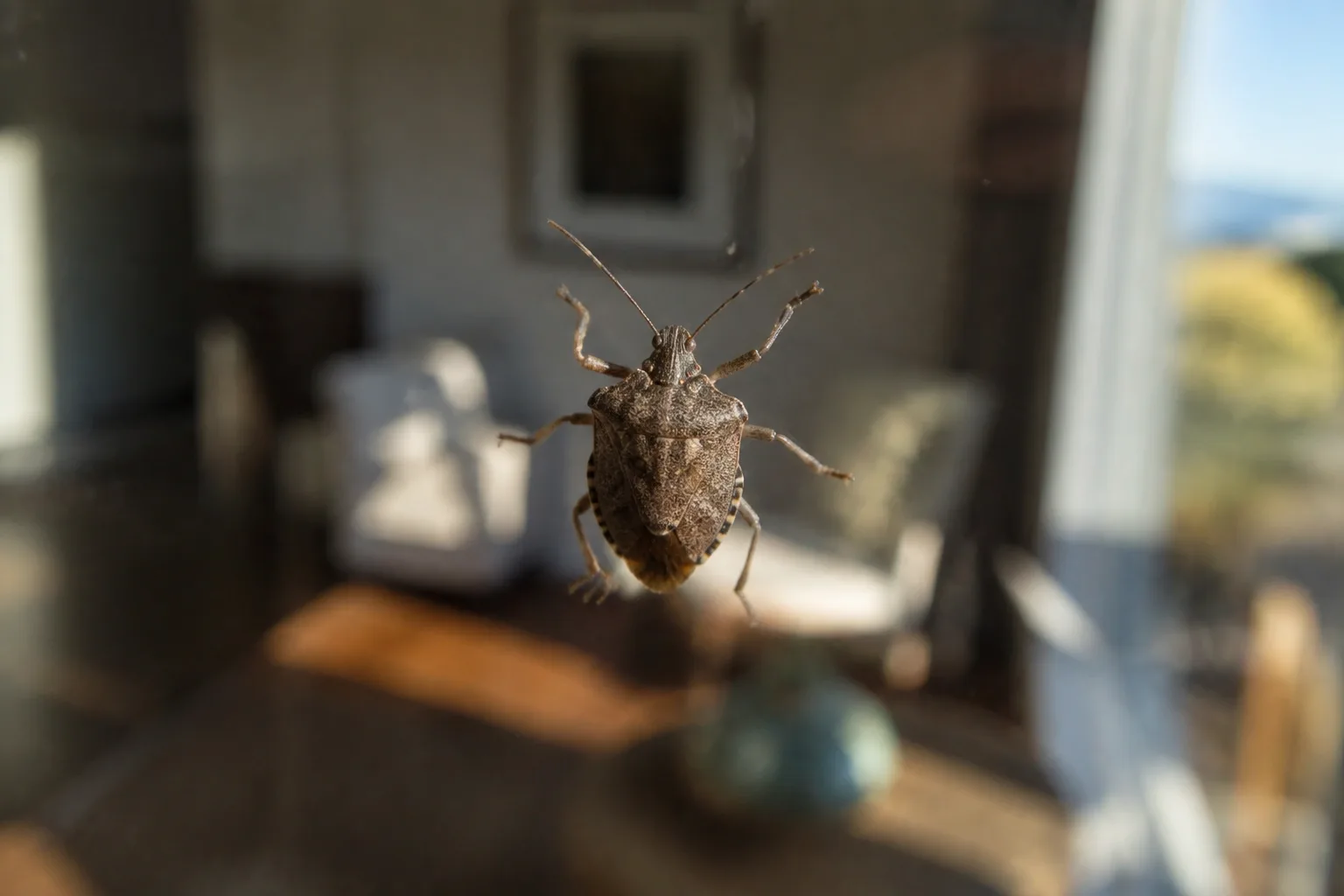
The shield-shaped ones on your window in October aren't native, they're an invasive orchard pest — and the reason they end up in your bedroom has nothing to do with your housekeeping.
The most common explanation for fall spiders is also wrong, and it leads people to the wrong fix. Here's what's actually happening in September and October, and what changes it.
Every company says they're licensed, thorough and guaranteed. Here are the nine questions that actually tell them apart — and the three answers that should end the call.